

Lingering cough and fatigue is one of the most common complaints after a cold, flu or chest infection. You may have seen people on TikTok sharing videos about coughs that won’t clear and a heavy tiredness that hangs around for weeks. This article explains what people describe, which simple habits can help, and when to speak to a GP. It’s general information only, and it doesn’t replace advice from a healthcare professional.
Some creators call it a cough and fatigue “wave”, but no single new illness has been confirmed behind these stories. Many different viruses cause coughs and tiredness, especially as the colder months arrive. Still, lingering cough and fatigue can disrupt work, sleep and daily life, so it’s worth understanding.
What Is Lingering Cough and Fatigue?
The phrase usually describes a cough that carries on after the worst of an illness has passed, together with tiredness that takes its time to lift. Across the UK and USA, people say it feels different from the colds they’ve had before.
Doctors call this a post-viral cough. Your airways can stay sensitive for a while after an infection, so a cough may last for weeks even when you feel mostly better. Shared stories online can make it look bigger than it is, but the experience is real and easy to underestimate.
Common Signs of Lingering Cough and Fatigue
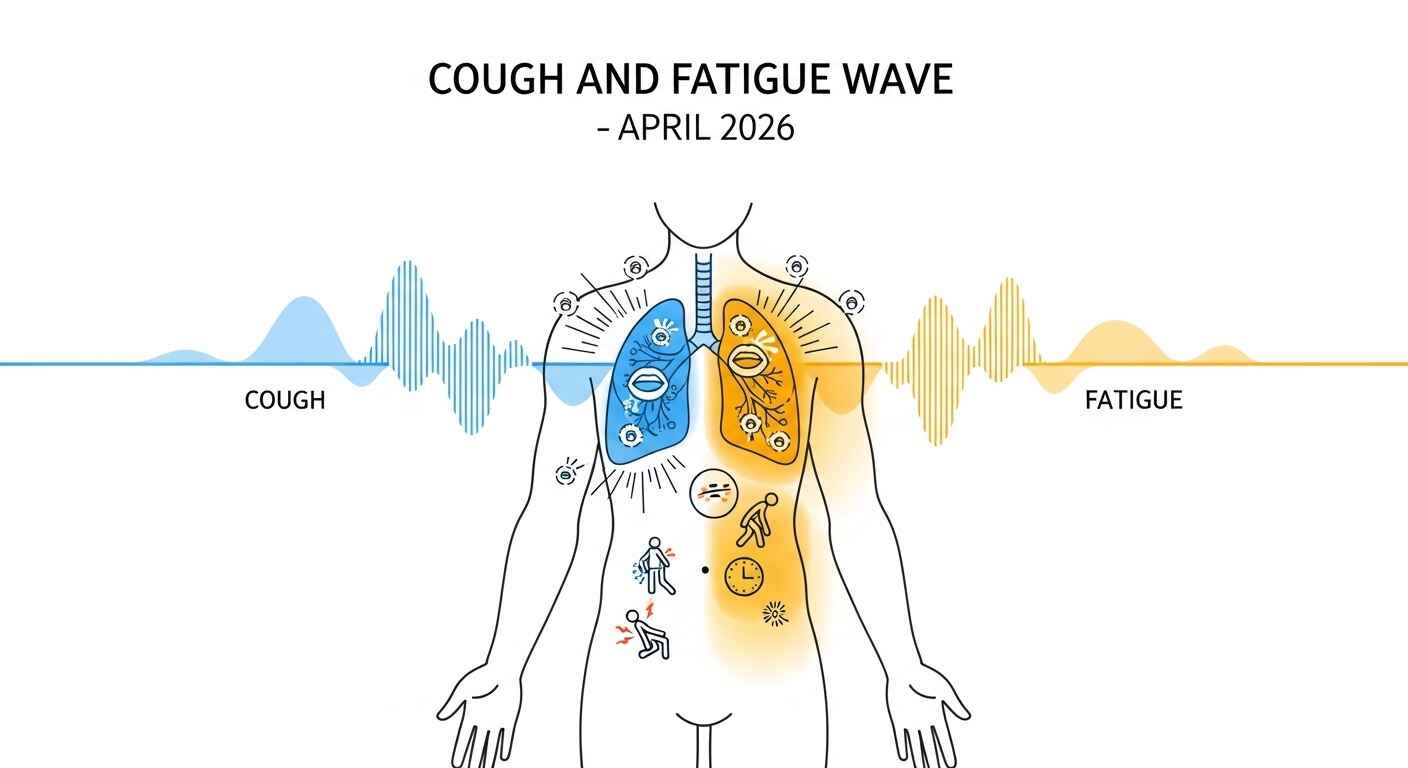
Across videos and online discussions, people most often mention these experiences:
- A dry or tickly cough that comes and goes, or lasts for days or weeks
- Tiredness that feels heavier than an ordinary bad night’s sleep
- A sore throat or mild blocked nose at the start
- General aches and a heavy feeling in the body
- Occasional headaches and low energy for everyday tasks
- Ear pressure or a feeling of fullness
These signs often creep in slowly. Many people first blame a passing cold, allergies or a busy few weeks. Some notice the cough most, while others feel the exhaustion more.
Because these symptoms overlap with colds, flu, COVID-19, RSV and allergies, you can’t tell the cause from symptoms alone. If you’re unsure, a pharmacist or GP can help.
Why Lingering Cough and Fatigue Is Common in Autumn and Winter
Autumn and winter bring colder air, more time indoors and plenty of contact at schools and workplaces. Respiratory viruses pass around easily in those conditions, which is one reason coughs seem to do the rounds across the UK and USA.
For official UK figures on what’s circulating, we link to the UK Health Security Agency reports at the end of this guide. Checking trusted sources beats relying on a single viral video.
5 Everyday Habits That Support Recovery From Lingering Cough and Fatigue

None of these habits treats an illness. They simply make you more comfortable while your body recovers.
1. Rest and Gentle Movement
Extra rest in the first few days helps many people. Once you feel a little better, a short walk in fresh air or some light stretching keeps you moving without wearing you out. If a walk leaves you drained, scale it back. If you feel tired but on edge, our nervous system regulation guide shares calming routines that may help you wind down.
2. Staying Hydrated
Water, herbal tea and warm drinks keep your throat comfortable and make a cough feel less harsh. A warm drink with honey can soothe a cough in adults and children over one year old. Sip little and often through the day, and drink a bit more if you have a temperature.
3. Everyday Nourishment
Aim for regular, balanced meals with fruit, vegetables, protein and whole grains. If you’ve lost your appetite, small meals and snacks are fine. Eating well supports your energy, but no single food or supplement clears a cough. Our gut health guide covers everyday eating habits in more detail. Speak to your GP or pharmacist before taking supplements.
4. A Better Sleep Routine
Fixed bedtimes, a cool bedroom and less screen time before bed all help with tiredness. A cough can break up your sleep, so an extra pillow may keep you more comfortable at night. Ongoing stress can disturb sleep too, and our article on cortisol face signs and causes explains how stress affects the body.
5. Fresh Air and Clean Spaces
Open a window for a few minutes each day, even in cooler weather. Wipe down shared surfaces and wash your hands regularly. Simple steps like these keep your home comfortable and cut down on passing germs to others.
When to See a GP
Most coughs ease without treatment. If lingering cough and fatigue don’t improve, book a GP appointment, especially if you notice any of the following:
- Your cough lasts three weeks or longer
- You feel more unwell after a few days, instead of better
- Tiredness stays severe or doesn’t improve over several weeks
- You lose weight without trying, or you have night sweats
- You have a long-term condition such as asthma, diabetes or heart disease and your symptoms worry you
A cough that won’t clear can sometimes point to something other than a simple infection. Our guide to TB symptoms, prevention and treatment explains one of the conditions doctors may rule out when a cough lasts a long time.
Get urgent help if you have severe breathlessness, chest pain, confusion, or you cough up blood. Call 999 in the UK or 911 in the USA.
Community Trends and TikTok Awareness
Stories about lingering cough and fatigue spread online because they feel relatable. People share funny recovery tales, practical tips and the small wins that come with feeling better. That sense of community can ease the isolation of being unwell.
Take health claims in videos with care, though. Creators aren’t medical professionals, and what worked for one person may not suit you. Use these posts for company, and use the NHS or your GP for advice.
Preventing the Spread of Coughs and Colds
A few simple habits lower the chance of catching or passing on a respiratory infection:
- Wash your hands often, especially before eating
- Catch coughs and sneezes in a tissue, then bin it
- Stay home when you have a temperature or feel too unwell for normal activity
- Dress in warm layers for changeable autumn and winter weather
- Keep up regular sleep, meals and activity when you can
Longer-Term Recovery
A cough can linger for three to eight weeks after an infection, and tiredness sometimes lasts a little longer. That doesn’t always mean something is wrong. Your airways can stay sensitive after a virus has gone, so lingering cough and fatigue often improve slowly over time.
Return to normal activity in small steps. Add a bit more each day, and rest when your body asks for it. If your cough lasts more than eight weeks, or you’re not sure what’s normal, check in with your GP.
Frequently Asked Questions
What are the most common signs of lingering cough and fatigue?
People mostly mention a dry or lingering cough, unusual tiredness, a sore throat, mild congestion and general aches. Some also report headaches. Symptoms vary from person to person, and these signs match many common infections, so they don’t point to one specific illness.
How long does lingering cough and fatigue last?
Tiredness after a cough or cold often fades within a week or two, though some people feel flat for three weeks or longer. A cough can also linger for several weeks. If you still feel unwell after that, book a GP appointment to check for other causes.
Are children and older adults affected in the same way?
Coughs and colds affect all ages, but babies, older adults and people with long-term conditions can become more unwell. Speak to your GP, pharmacist or NHS 111 if a child is breathing fast, feeding poorly or drowsy, or if an older relative seems confused or short of breath.
What simple home habits do people try?
Most people rest, drink plenty of fluids, eat regular balanced meals and take gentle walks when they feel up to it. A warm drink with honey can soothe a cough in adults and children over one. Pharmacists can suggest over-the-counter options if symptoms bother you.
Should I worry if this feels different from a usual cold?
Book a GP appointment if your cough lasts three weeks or more, you feel increasingly unwell, or you’re losing weight without trying. Get urgent help for severe breathlessness, chest pain or coughing up blood. Call 999 in the UK or 911 in the USA.
For the latest official surveillance insights in the UK, visit the UK Health Security Agency surveillance reports.
Final Thoughts on Lingering Cough and Fatigue
Lingering cough and fatigue is something many people know well: a cough that won’t budge and energy that takes its time to return. Most cases settle with rest, fluids and patience.
Listen to your body, keep an eye on how long symptoms last, and don’t wait if something feels wrong. A GP or pharmacist can give advice that suits you, which no viral video can.
Sources and further reading
Disclaimer
This article is for general information only. It isn’t medical advice, diagnosis or treatment, and it doesn’t replace advice from a qualified healthcare professional. Speak to your GP or pharmacist about your own symptoms, and seek urgent help if you feel seriously unwell. The information reflects general guidance and community discussions, and it may change over time.