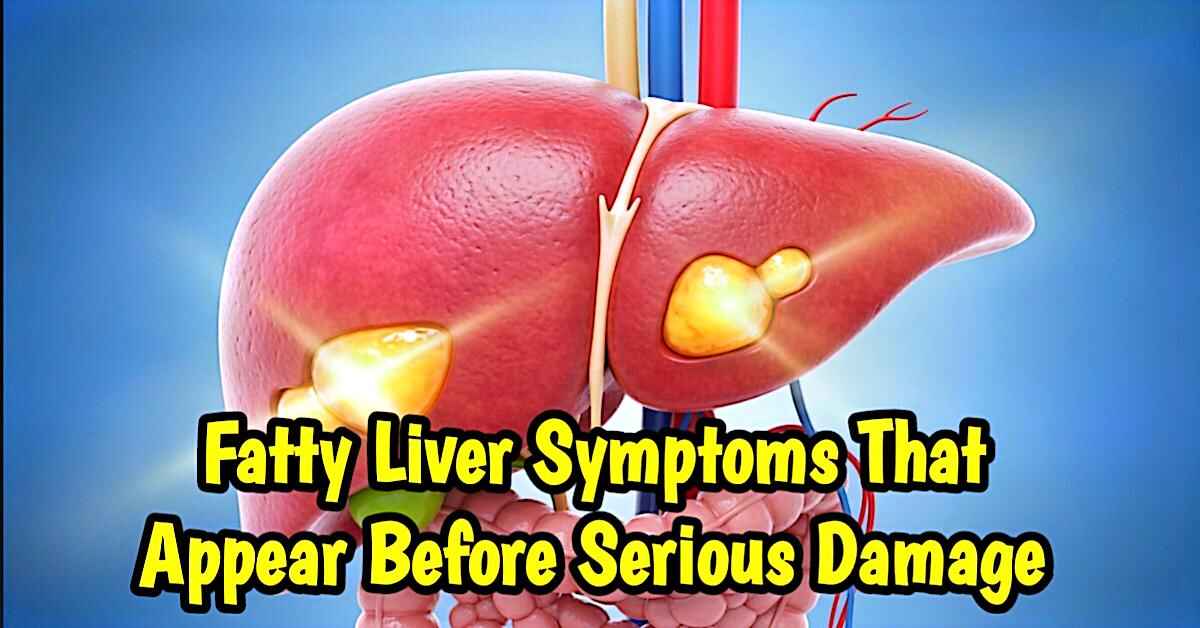
Fatty liver symptoms often develop quietly, without pain or obvious warning. Many people in the UK and USA live for years with liver fat buildup, unaware that early changes are already happening inside their body. By the time serious liver damage appears, the condition may have progressed far beyond its early stage.
Understanding fatty liver symptoms early can help raise awareness and encourage healthier lifestyle choices before long-term harm occurs. This article focuses on early warning signs, daily habits linked to fatty liver, and simple awareness tips — without making medical claims.
In modern lifestyles, especially in developed countries like the UK and USA, fatty liver is becoming increasingly common due to dietary habits, sedentary routines, and stress-related behaviours. What makes this condition concerning is that it often remains silent in the beginning stages, which means people continue their normal routine without realizing any internal liver stress is developing.
Medical awareness campaigns now focus heavily on education because early recognition of fatty liver symptoms can help individuals take better care of their overall wellness journey.
What Is Fatty Liver?
Fatty liver occurs when excess fat builds up inside liver cells. Small amounts of fat are normal, but when fat levels rise too high, the liver can struggle to perform its everyday functions.
The liver plays a key role in filtering toxins, processing nutrients, and supporting digestion. When fat accumulation increases, these functions may become less efficient over time.
Fatty liver is commonly linked to modern lifestyle patterns such as poor diet, low activity levels, long sitting hours, and metabolic stress. In many cases, it is associated with patterns of overconsumption of processed foods, sugary drinks, and irregular meal schedules.
There are generally two types of fatty liver conditions: one related to alcohol consumption and another related to lifestyle factors. However, both types can share similar early warning signs.

Early Fatty Liver Symptoms Many People Ignore
Fatty liver symptoms rarely appear suddenly. Instead, subtle signs may develop gradually and are often blamed on stress, ageing, or tiredness.
Because these symptoms are mild at first, many individuals do not connect them to liver health. This is why fatty liver is sometimes referred to as a “silent condition.”
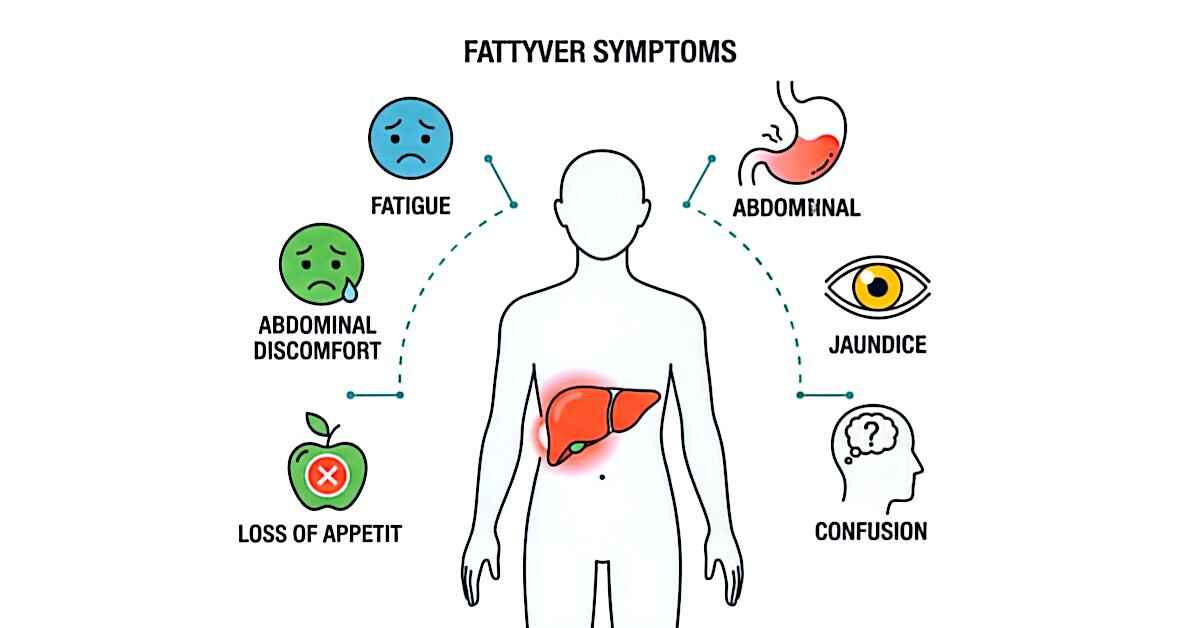
- Persistent tiredness even after rest
- Unexplained low energy levels
- Feeling generally unwell without a clear reason
- Mild discomfort on the upper right side of the abdomen
- Difficulty concentrating or mental “fog”
- Reduced motivation or physical stamina
- Feeling heavy after eating small meals
These fatty liver symptoms are often ignored because they do not feel severe enough to raise immediate concern. However, consistent patterns of fatigue and digestive discomfort may indicate that the liver is under stress.
In many real-life cases, people only discover fatty liver during routine medical tests, long after early symptoms have already appeared.
Digestive Changes Linked to Fatty Liver Symptoms
The liver plays a key role in digestion. When liver function becomes stressed, digestive discomfort may appear.
These changes may not always be dramatic, but they can gradually affect daily comfort and eating habits.
- Bloating after meals
- Feeling full very quickly
- Reduced appetite
- Nausea without illness
- Slow digestion after heavy meals
- Occasional discomfort after fatty foods
These fatty liver symptoms are often mistaken for common digestion problems such as indigestion or acidity. However, when they appear frequently, they may indicate deeper metabolic imbalance.
People often adjust their diet temporarily without identifying the root cause, which allows underlying liver stress to continue unnoticed.
Skin and Body Changes That May Signal Fatty Liver
In some cases, fatty liver symptoms appear on the skin or through body changes. These external signs are usually subtle but can provide early awareness clues.
- Unusual itching without rash
- Dull or uneven skin tone
- Dark patches around the neck or underarms
- Mild swelling in the abdomen
- General puffiness or fluid retention
These changes happen gradually, making them easy to overlook. Many people assume they are related to skincare issues, dehydration, or ageing, rather than internal metabolic health.
Skin changes linked to fatty liver symptoms are not always present in every case, but when they occur alongside fatigue or digestive issues, they may become more noticeable.
Why Fatty Liver Often Has No Pain
One reason fatty liver symptoms are ignored is because the liver does not produce strong pain signals in early stages. This means damage can progress quietly.
Many people feel “mostly fine” while liver fat continues to build. Unlike conditions that cause immediate discomfort, fatty liver develops slowly and silently over time.
This is why awareness is important — relying only on pain as an indicator can delay early recognition. The body may already be experiencing changes long before any obvious discomfort appears.
Common Lifestyle Habits Linked to Fatty Liver
Fatty liver symptoms are strongly linked to everyday habits rather than a single cause.
Modern lifestyle patterns, especially in urban environments, contribute significantly to liver stress over time.
- High intake of ultra-processed foods
- Excess sugar consumption
- Long periods of sitting or inactivity
- Poor sleep routines
- Chronic stress and irregular eating patterns
- Low water intake throughout the day
Over time, these habits may place constant pressure on liver health. The liver works continuously, so repeated lifestyle strain can gradually affect its efficiency.
Small daily choices can accumulate into long-term effects, which is why awareness-based education is important for prevention understanding.
Who Is More Likely to Experience Fatty Liver Symptoms?
Anyone can develop fatty liver symptoms, but risk tends to be higher among certain lifestyle groups.
- People with weight around the abdomen
- Individuals with sedentary work routines
- Those experiencing insulin resistance
- People consuming high-calorie diets regularly
- Individuals with irregular sleep patterns
Fatty liver is no longer limited to older adults — it is increasingly seen in younger age groups due to modern dietary and digital lifestyles.
Even individuals who appear physically fit may still experience early fatty liver symptoms if underlying metabolic stress is present.
When Fatty Liver Symptoms Become More Serious
If early fatty liver symptoms are ignored for years, more noticeable signs may eventually appear.
- Persistent abdominal swelling
- Ongoing fatigue that affects daily life
- Increased sensitivity to medications or foods
- More frequent digestive discomfort
- Visible changes in energy levels
Awareness at an early stage is key to reducing long-term risk. The earlier lifestyle patterns are adjusted, the better the support for overall liver wellness.
Simple Awareness Steps for Liver Health
While this article does not offer treatment advice, general health awareness includes:
- Maintaining balanced daily movement
- Choosing whole foods more often
- Reducing excess sugar intake
- Prioritising sleep and stress management
- Staying hydrated throughout the day
Health organisations such as the NHS emphasise lifestyle awareness for liver health education and early recognition support.
Frequently Asked Questions
Can fatty liver symptoms go unnoticed?
Yes. Many people have fatty liver symptoms for years without realising, especially in early stages where signs are mild and non-specific.
Is fatigue a common fatty liver symptom?
Ongoing tiredness is one of the most commonly reported early fatty liver symptoms due to reduced metabolic efficiency.
Can young people develop fatty liver?
Yes. Modern lifestyle patterns mean fatty liver symptoms are increasingly seen in younger adults due to diet and inactivity.
Does fatty liver always show symptoms?
Not always. In many cases, fatty liver develops silently and is only detected through medical testing.
Final Thoughts
Fatty liver symptoms often appear quietly, long before serious damage develops. Recognising early warning signs and understanding lifestyle connections can support better health awareness and informed choices.
Paying attention to subtle changes in energy, digestion, and overall wellbeing may help identify concerns earlier rather than later. Awareness is the first step toward better long-term liver health understanding.
Disclaimer
This content is for general health awareness and educational purposes only. It does not provide medical advice, diagnosis, or treatment. Always consult a qualified healthcare professional for personalised guidance.