Kidney Problems: Symptoms, Tests, Treatment, Diet, and Prevention (Complete UK Medical Guide)
Kidney problems are among the most silently progressing health conditions in the modern world. Millions of people suffer from kidney-related issues without even knowing it because early stages rarely produce noticeable symptoms. By the time warning signs appear, significant damage may already have occurred.
The kidneys are essential organs that perform life-sustaining functions every second of the day. They filter waste products, balance fluids, regulate blood pressure, support red blood cell production, and maintain overall chemical stability in the body.
When kidney function declines, the entire body system becomes unbalanced, affecting energy levels, heart health, digestion, and even brain function.
For official UK medical guidance, visit: NHS Kidney Disease Information
Understanding Kidney Function in the Human Body (In Depth)
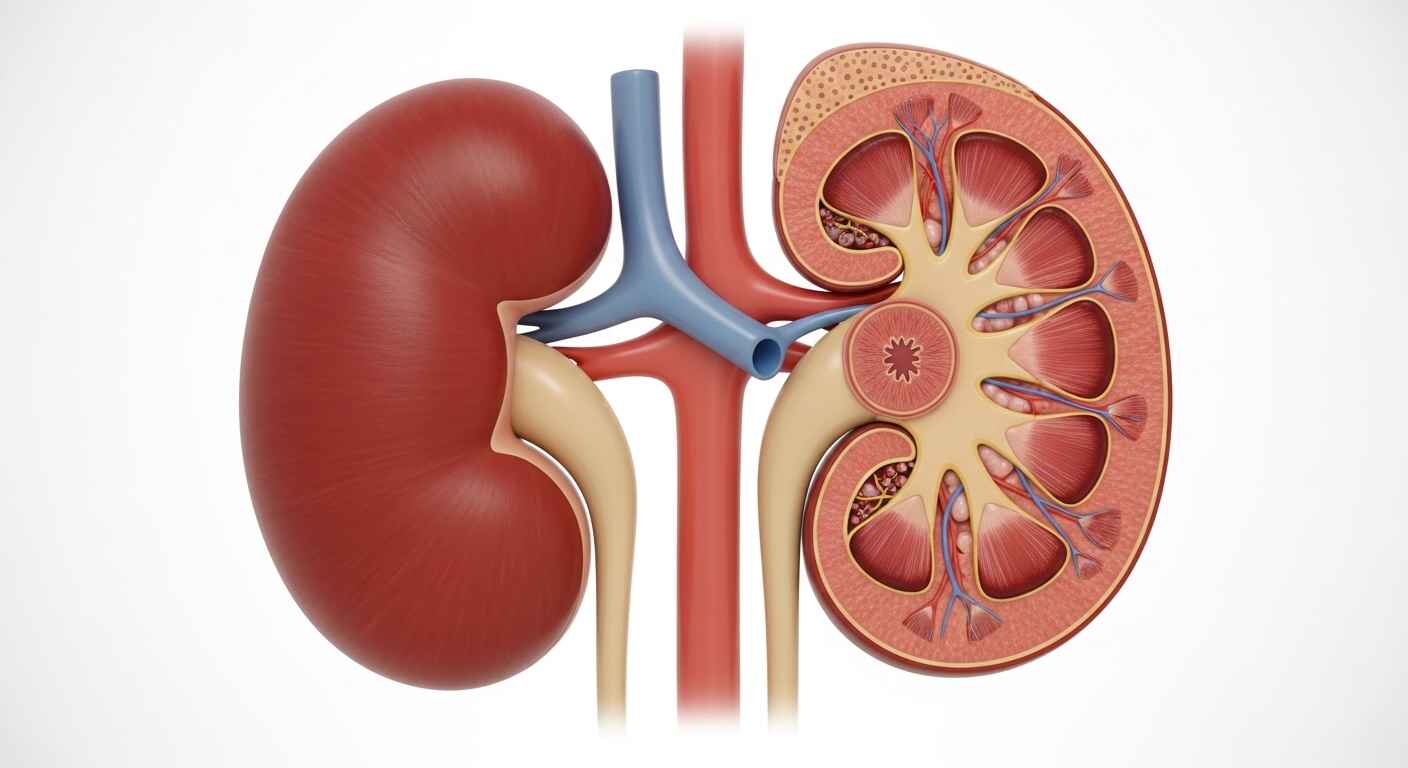
The human body has two kidneys located deep in the lower back, protected by the rib cage. Each kidney is about the size of a fist but performs extremely powerful biological functions.
Every day, kidneys filter approximately 150–180 litres of blood, removing waste products, excess water, and toxins through urine formation. This process happens continuously without interruption.
Inside each kidney are about one million microscopic filtering units called nephrons. These nephrons act like natural filtration machines that separate useful nutrients from harmful waste.
The filtered waste is converted into urine, while essential substances like glucose, amino acids, and electrolytes are reabsorbed back into the bloodstream.
This delicate balance keeps the human body stable. Even a small disruption in kidney function can affect multiple organs at once.
Why Kidney Health Is Critical for Survival
Kidneys are not just waste-removal organs — they are regulatory systems that control the internal environment of the body.
They perform several essential biological roles:
- Regulate blood pressure through fluid balance and hormone secretion
- Maintain sodium, potassium, calcium, and phosphate levels
- Produce erythropoietin, which helps form red blood cells
- Activate vitamin D, which strengthens bones and immune function
- Remove metabolic waste such as urea and creatinine
Without these functions, the body cannot maintain internal stability. That is why kidney failure is considered life-threatening if untreated.
Early Symptoms of Kidney Problems (Often Ignored)
Kidney disease is called a “silent disease” because early symptoms are subtle and often mistaken for minor health issues.
Changes in Urination Pattern
One of the earliest signs is a change in urination frequency. Some people urinate more often, especially at night, while others notice reduced urine output.
Urine may become foamy due to protein leakage, darker due to dehydration, or unusually light in colour due to dilution changes.
Constant Fatigue and Weakness
When kidneys fail to remove toxins efficiently, waste builds up in the bloodstream. This leads to constant tiredness, lack of energy, and reduced concentration.
Swelling in Body (Edema)
Fluid imbalance causes swelling in feet, ankles, legs, hands, and sometimes the face. This is due to sodium and water retention.
Dry, Rough, and Itchy Skin
Mineral imbalance and toxin buildup can affect skin health, leading to irritation, dryness, and persistent itching.
Loss of Appetite and Digestive Changes
Waste accumulation in the body affects digestion, causing nausea, reduced appetite, and sometimes vomiting.
Advanced Symptoms of Kidney Damage (Serious Stage)
As kidney disease progresses, symptoms become more severe and noticeable.
- Shortness of breath due to fluid buildup in lungs
- Severe headaches and dizziness
- Muscle cramps and nerve pain
- Sleep disturbances and insomnia
- Metallic taste in mouth and bad breath
- Unexplained weight fluctuations
- Difficulty concentrating (brain fog)
- High blood pressure worsening
For kidney support and awareness: Kidney Care UK
Causes of Kidney Problems (Detailed Explanation)
Kidney disease develops gradually due to a combination of medical conditions and lifestyle habits.
1. High Blood Pressure (Hypertension)
High blood pressure damages the small blood vessels in the kidneys, reducing their ability to filter blood efficiently over time.
2. Diabetes (High Blood Sugar)
Excess glucose in the blood damages kidney filters, leading to diabetic kidney disease — one of the leading causes worldwide.
3. Chronic Dehydration
Long-term low water intake forces kidneys to concentrate urine excessively, increasing strain on filtration units.
4. Excess Salt Consumption
High sodium intake increases blood pressure and fluid retention, both of which stress kidney function.
5. Long-Term Painkiller Use
Frequent use of certain pain medications can reduce blood flow to kidneys, causing gradual damage.
6. Poor Lifestyle Habits
Smoking, alcohol, lack of exercise, and unhealthy diets increase kidney disease risk significantly.
When Should You Get Kidney Tests Done?
Kidney testing is recommended when symptoms appear or when risk factors exist.
People with diabetes, hypertension, obesity, or family history of kidney disease should undergo regular screening even without symptoms.
Important Kidney Tests and Reports (Detailed Guide)
Blood Test (Creatinine & eGFR)
This test measures waste levels in blood and calculates kidney filtration rate (eGFR). Lower values indicate reduced kidney function.
Urine Test (Protein & Microalbumin)
Detects protein leakage, infections, and early kidney damage indicators.
Ultrasound Imaging
Helps identify structural abnormalities like swelling, cysts, or blockages.
Blood Pressure Monitoring
Essential for kidney health because uncontrolled pressure accelerates kidney damage.
For global kidney health education: National Kidney Foundation
How Kidney Disease Is Managed (Medical + Lifestyle)
Kidney disease cannot always be cured, but it can often be controlled and slowed.
Lifestyle Management
Healthy eating, hydration, stress control, and exercise reduce kidney workload significantly.
Medical Monitoring
Regular blood and urine tests help track disease progression.
Medication Control
Doctors may prescribe medications to control blood pressure, sugar levels, and complications.
Advanced Treatment
In severe cases, dialysis or kidney transplant may be required.
Best Diet for Kidney Health (Expanded Guide)
Recommended Foods
- Fresh fruits like apples and berries
- Vegetables such as cabbage and cauliflower
- Whole grains like oats and brown rice
- Lean proteins like fish and chicken
- Healthy fats like olive oil
Foods to Avoid
- Processed and packaged foods
- High sodium meals
- Soft drinks and sugary beverages
- Deep fried and fast foods
Hydration and Kidney Function
Water is essential for kidney filtration. It helps remove toxins, maintain electrolyte balance, and support urine formation.
Proper hydration also prevents kidney stones and urinary tract infections.
Daily Habits for Strong Kidney Health
- Drink 2–3 litres of water daily (adjust based on body needs)
- Maintain a balanced diet
- Exercise at least 30 minutes daily
- Monitor blood pressure regularly
- Avoid unnecessary medications
- Get annual health checkups
Can Kidney Damage Be Prevented?
Yes — most kidney diseases are preventable if detected early and lifestyle changes are made in time.
Prevention is far more effective than treatment, especially in chronic kidney disease.
Frequently Asked Questions (Extended)
Can a person live with one kidney?
Yes, one healthy kidney is enough to maintain normal body function.
Does kidney disease always show symptoms?
No, early stages are usually silent.
Is kidney damage permanent?
Early damage can be managed, but advanced damage is often irreversible.
How often should kidney tests be done?
At least once a year for healthy individuals and more frequently for high-risk patients.
Final Conclusion
Kidneys are silent life-support organs that work every second to keep your body clean and balanced. When kidney health is ignored, complications develop slowly but severely.
Early awareness, proper diet, hydration, and regular testing can protect kidney function for life.
Taking care of your kidneys is not optional — it is essential for long-term survival and quality of life.