
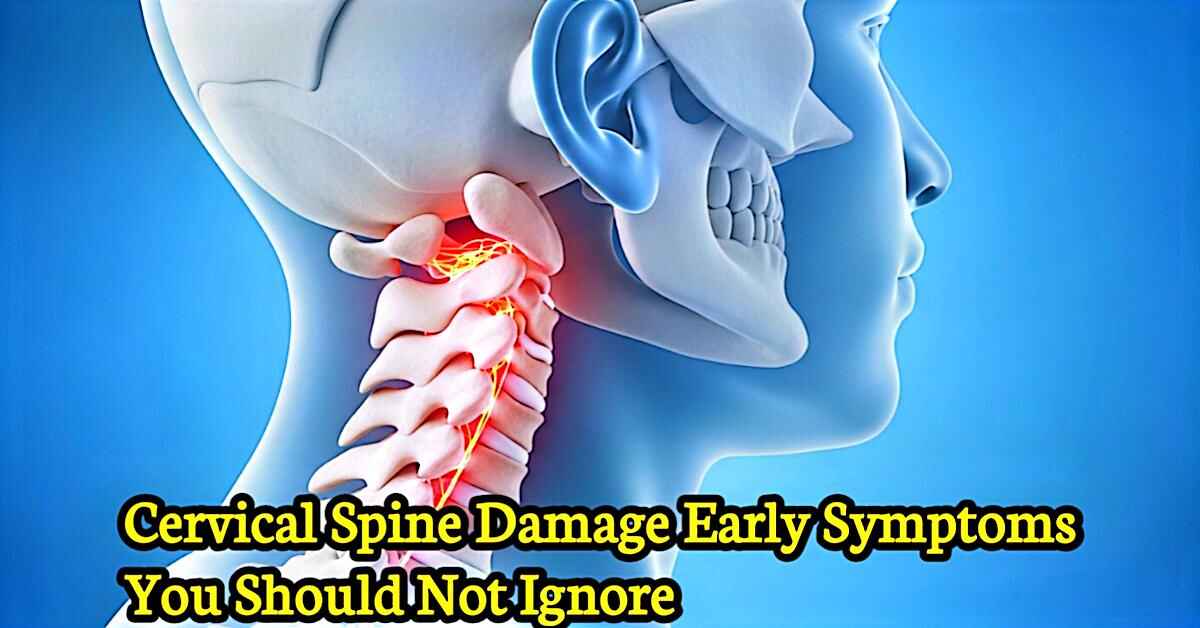
Cervical Spine Damage Early Symptoms You Should Not Ignore
The cervical spine damage early symptoms are often subtle and easily ignored in daily life. Many people mistake them for simple stiffness, stress, or poor sleep posture. However, these early warning signs can sometimes indicate underlying issues in the neck and upper spine that require attention and awareness.
In modern lifestyles—especially with long screen time, mobile usage, and desk work—the neck region is under constant pressure. This makes understanding cervical spine damage early symptoms extremely important for long-term health awareness.
What is Cervical Spine Damage?
The cervical spine is the upper part of your backbone located in your neck. It supports your head, allows movement, and protects important nerves that connect to your brain and body.
When this area becomes strained or damaged due to posture issues, aging, or lifestyle habits, early warning signs begin to appear. These are known as cervical spine damage early symptoms.
Ignoring these signs may lead to discomfort in daily activities like turning your head, working on a computer, or even sleeping properly.
Early Cervical Spine Damage Early Symptoms
Here are some common cervical spine damage early symptoms people may notice:
- Frequent neck stiffness or tightness
- Mild pain when turning the head
- Shoulder discomfort without heavy physical activity
- Headaches starting from the neck area
- Occasional tingling in arms or fingers
These signs may appear slowly and gradually increase over time if ignored.
Read More Health Topics
- Neck Pain Relief Guide: Simple Daily Habits to Reduce Discomfort
- Posture Correction Exercises for Office Workers and Students
- Back and Spine Health Tips for Long-Term Wellness
How Modern Lifestyle Triggers Neck Problems
One of the main reasons behind increasing cervical spine damage early symptoms is modern digital lifestyle habits.
Long hours of mobile phone use, poor sitting posture, and lack of physical activity put continuous pressure on the cervical spine.
This condition is often linked with what experts call “tech neck,” where the neck bends forward for long periods.
Understanding visible and physical changes helps in early awareness of cervical issues.
Common Daily Habits That Increase Risk
Several everyday habits can contribute to cervical spine damage early symptoms, including:
- Looking down at phones for long hours
- Poor sleeping posture with high pillows
- Sitting without back support
- Stress-induced muscle tension
These habits slowly affect the alignment of the cervical spine over time.
When Symptoms Start Affecting Daily Life
As cervical spine damage early symptoms progress, people may notice difficulty in simple tasks such as:
- Turning the head while driving
- Working on a computer for long periods
- Sleeping comfortably through the night
At this stage, awareness becomes very important to prevent further discomfort.
Simple Awareness Tips for Neck Health
To reduce the risk of worsening symptoms, people are encouraged to:
- Take frequent breaks during screen time
- Maintain straight posture while sitting
- Use supportive pillows during sleep
- Stretch the neck gently during the day
These small changes can help reduce strain on the cervical spine over time.
External Health Reference
For general awareness about neck and spine health, you may refer to trusted health information sources like:
External Content Suggestions
- Posture Correction Tips for Office Workers
- Daily Neck Pain Relief Exercises
- Early Signs of Poor Posture Damage
FAQ – Cervical Spine Damage Early Symptoms
1. What are the first cervical spine damage early symptoms?
Early symptoms often include mild neck stiffness, shoulder pain, and occasional headaches.
2. Can posture cause cervical spine issues?
Yes, poor posture is one of the most common contributors to cervical spine damage early symptoms.
3. Are these symptoms dangerous?
They are usually early warning signs and should not be ignored for long-term comfort and awareness.
4. Who is most at risk?
People who use phones or computers for long hours are more likely to notice cervical spine damage early symptoms.
5. Can lifestyle changes help?
Yes, improving posture and daily habits can help reduce strain on the cervical spine.
Disclaimer
This article is for educational and awareness purposes only. It is not a medical diagnosis or treatment advice. Always consult a qualified healthcare professional for personal health concerns.