Joint Pain After 50: Causes, Symptoms & Treatment Options for Women
If you’ve noticed your knees creaking on the stairs, your fingers feeling stiff first thing in the morning, or your hips aching after a short walk, you’re certainly not imagining it. Joint pain after 50 is one of the most common — yet most under-discussed — changes women experience as they move through midlife. It creeps in quietly, often dismissed as “just getting older”, until one day it’s affecting how you sleep, how you move, and how you feel about your own body.
The good news is that joint pain after 50 isn’t something you simply have to live with. Understanding why it happens, recognising the warning signs early, and knowing which treatment options are genuinely available to you — through the NHS, private clinics, or lifestyle changes — can make an enormous difference to your daily comfort and long-term mobility.
This guide walks through everything you need to know, written specifically with women over 50 in mind, in plain, honest language — no medical jargon, no scaremongering, just clarity.
Why Joint Pain Becomes More Common After 50
Joints are remarkable structures. Cartilage cushions the ends of our bones, synovial fluid keeps everything moving smoothly, and a web of ligaments and tendons holds it all together. But like everything else in the body, joints show wear over time. By the time most women reach their fifties, decades of movement, weight-bearing activity, and simply living have taken a toll on that cartilage and connective tissue.
This natural wear is compounded by several other factors that tend to converge in midlife: hormonal shifts, changes in muscle mass, weight fluctuations, and in some cases, underlying conditions that haven’t yet been picked up through clinical diagnosis. Add to this the fact that many women spend years prioritising family, work, and caregiving over their own health checks, and it’s easy to see why joint pain after 50 often arrives feeling sudden — even though it’s usually been building for years.
There’s also a biomechanical side to this. As we age, muscle mass naturally declines — a process called sarcopenia — and weaker muscles mean joints absorb more of the load during everyday movement. Tendons and ligaments lose some of their elasticity too, making joints feel stiffer and less forgiving after periods of rest. None of this happens overnight; it’s a gradual shift that often only becomes noticeable once a particular threshold is crossed, which is why so many women describe their joint pain as appearing “suddenly” in their fifties, even though the underlying changes had been building for years.
Genetics also play a quietly significant role. Women whose mothers or grandmothers experienced early osteoarthritis or rheumatoid arthritis are statistically more likely to experience similar patterns themselves, which is why family history is one of the first things a GP or specialist will ask about during an assessment.
Understanding this background matters because it shifts the conversation from “this is just ageing” to “this is something with identifiable causes — and identifiable treatment and therapy options.” Joint pain isn’t a character flaw or a sign of giving up on fitness; it’s a physiological process with real, addressable contributing factors.
The Hormone Connection: Menopause and Joint Health
As oestrogen levels decline during perimenopause and menopause, many women notice new or worsening joint stiffness, particularly in the hands, knees, hips, and shoulders.This is sometimes referred to informally as “menopausal arthritis”, although it isn’t a distinct medical condition in itself — rather, it’s the way hormonal changes can amplify existing joint wear or trigger inflammatory responses. If you’ve noticed your joint pain seemed to appear around the same time as hot flushes, night sweats, or irregular periods, the timing may not be a coincidence.
Research into the relationship between oestrogen and joint health is ongoing, but several patterns have been observed consistently. Oestrogen receptors exist throughout joint tissue, including cartilage and the synovial membrane that lines joint capsules. When oestrogen levels fall, these tissues can become more vulnerable to inflammation and slower to repair themselves after everyday wear. This may explain why joint symptoms often cluster around the perimenopausal transition rather than appearing gradually and evenly across the decades.
It’s also worth noting that joint pain during this phase is frequently accompanied by other connected symptoms — fatigue, disrupted sleep, and mood changes — which can make it harder to pinpoint a single cause. This is exactly the kind of symptom pattern worth raising during a specialist consultation, because hormone replacement therapy (HRT) is one of several treatment options that some women find helps with joint symptoms alongside other menopause symptoms. It isn’t suitable or desired by everyone, and decisions around HRT should always be made following medical advice tailored to your individual health history, including any personal or family history of conditions that may affect suitability.
For women who decide against HRT, or for whom it isn’t appropriate, this hormonal link still matters — it can simply mean placing extra emphasis on the anti-inflammatory lifestyle strategies and physiotherapy approaches covered later in this article.
Warning Signs You Shouldn’t Ignore
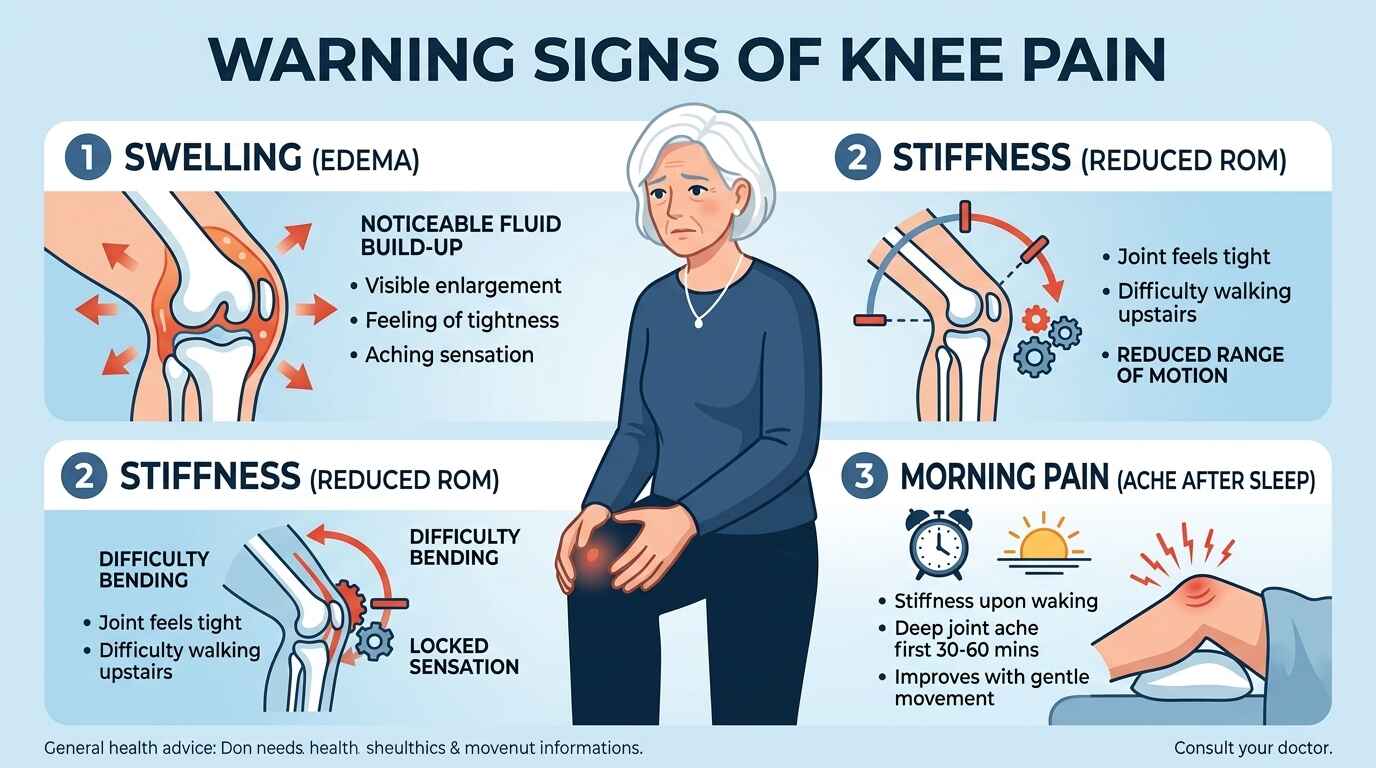
Mild, occasional joint stiffness — especially first thing in the morning — is common and often nothing serious. However, certain signs suggest it’s time to seek a clinical diagnosis rather than waiting it out:
- Joint pain that lasts more than a few weeks without improving
- Visible swelling, redness, or warmth around a joint
- Joints that feel unstable or “give way”
- Pain severe enough to disrupt sleep
- Stiffness lasting longer than 30 minutes after waking
- Joint pain accompanied by unexplained fatigue, fever, or weight loss
- Reduced range of motion that affects daily tasks like gripping, climbing stairs, or dressing
None of these symptoms on their own confirm a particular condition, and this article isn’t intended to diagnose anything — only a qualified clinician can do that. But recognising these patterns is what prompts the right next step: booking that GP appointment rather than putting it off another six months.
Common Conditions Behind Joint Pain in Women Over 50
Several conditions become more prevalent in women after 50, and many share overlapping symptoms — which is exactly why proper symptoms and diagnosis assessment by a healthcare provider matters so much.
Osteoarthritis
The most common form of arthritis, osteoarthritis develops as the cartilage cushioning joints gradually wears down. It typically affects weight-bearing joints like the knees and hips, as well as the hands, and tends to worsen gradually over time. Pain is often worse after activity and at the end of the day, and many women notice a grinding or crackling sensation in affected joints, known as crepitus. Morning stiffness with osteoarthritis usually eases within 30 minutes, which is one of the features doctors use to help distinguish it from inflammatory conditions.
Rheumatoid Arthritis
An autoimmune condition where the immune system mistakenly attacks the joint lining, rheumatoid arthritis often causes symmetrical pain (affecting both sides of the body), along with swelling and prolonged morning stiffness — frequently lasting well over an hour. It’s more common in women than men, by a ratio of roughly three to one, and frequently first appears or flares during midlife. Left undiagnosed, rheumatoid arthritis can cause progressive joint damage, which is why early specialist referral and treatment can make a meaningful difference to long-term outcomes.
Osteoporosis-Related Joint Issues
While osteoporosis itself affects bone density rather than joints directly, weakened bones can change posture and gait, indirectly increasing strain on joints — particularly the hips and spine. Postmenopausal women are at significantly higher risk of osteoporosis due to the same oestrogen decline that affects joint tissue, which is why bone density scans are sometimes recommended alongside joint pain investigations.
Fibromyalgia
Characterised by widespread musculoskeletal pain, fibromyalgia can closely mimic joint pain and is more common in women, often emerging or worsening around the menopausal years. Unlike osteoarthritis or rheumatoid arthritis, fibromyalgia doesn’t cause visible joint damage or inflammation on scans, which can make diagnosis more challenging and sometimes prolong the journey to finding effective treatment and therapy.
Gout
Although often associated with men, gout — caused by a build-up of uric acid crystals in the joints — becomes more common in women after menopause, as oestrogen previously offered some protective effect. It typically causes sudden, intense pain, swelling, and redness, most classically in the big toe, though it can affect other joints too.
Because these conditions can look similar on the surface but require very different treatment and therapy approaches, self-diagnosing from internet searches (however informative) is never a substitute for a proper specialist consultation. A rheumatologist or GP with experience in musculoskeletal conditions will look at the full pattern of symptoms, blood markers, and imaging findings together, rather than relying on any single sign in isolation.
Getting a Clinical Diagnosis: What to Expect
If you book an appointment about persistent joint pain, here’s a realistic idea of what the process tends to look like. Your GP will usually start with a conversation about your symptoms, family history, and lifestyle, followed by a physical examination of the affected joints — checking for swelling, warmth, range of motion, and tenderness.
Depending on what they find, you may be referred for blood tests (which can help identify inflammatory markers associated with rheumatoid arthritis, for example, or uric acid levels in suspected gout) or imaging such as an X-ray or MRI scan to assess joint and bone condition. X-rays are typically used to assess cartilage loss and bone changes associated with osteoarthritis, while MRI scans provide more detailed images of soft tissue, useful for spotting early inflammatory changes that X-rays might miss.
In many cases, this is also the point at which a specialist referral — typically to a rheumatologist or orthopaedic specialist — is suggested, particularly if initial findings are inconclusive or symptoms are significant. A rheumatologist generally handles inflammatory and autoimmune joint conditions, while an orthopaedic specialist focuses more on structural and mechanical joint problems, including those that might eventually require surgical input.
It’s worth noting that NHS waiting times for non-urgent rheumatology or orthopaedic appointments can vary considerably depending on your area, which is one reason some women choose to explore private clinic options for faster access to specialist consultation (more on that shortly). In the meantime, keeping a simple symptom diary — noting which joints are affected, what makes pain better or worse, and how long morning stiffness lasts — can be genuinely useful information to bring to your appointment.
NHS Support and Treatment for Joint Pain
The NHS offers a structured pathway for joint pain, beginning with your GP and extending to physiotherapy, rheumatology, and orthopaedic services where needed. NHS support and treatment typically includes pain management advice, referral for physiotherapy, prescription treatment for pain relief or anti-inflammatory medication, and, in more advanced cases, consideration of procedures like joint injections or surgery.
NHS guidelines generally recommend starting with the least invasive approaches — lifestyle modification, weight management support, and physiotherapy — before progressing to medication or surgical intervention. This stepped approach is sensible from a clinical standpoint, though it can feel slow if you’re in daily discomfort.
Many NHS areas now offer self-referral physiotherapy services, meaning you don’t necessarily need to wait for a GP appointment before starting physiotherapy — it’s worth checking what’s available through your local Integrated Care Board or surgery website. Some regions also run dedicated musculoskeletal (MSK) triage services, designed to direct patients to the most appropriate service more quickly, whether that’s physiotherapy, pain management, or specialist referral.
If your symptoms suggest an inflammatory condition like rheumatoid arthritis, NHS pathways generally aim to fast-track these referrals, since early treatment in the first months after symptom onset is associated with better long-term joint outcomes. If you’re unsure where to start, your GP remains the gateway to all NHS musculoskeletal services, so that first conversation is genuinely the most important step.
Private Clinic and Specialist Referral Options
For women who want faster access to a specialist consultation, or who’d prefer additional diagnostic clarity, a private clinic route is worth understanding. Private musculoskeletal clinics across the UK offer direct access to rheumatologists, orthopaedic consultants, and physiotherapists — often with significantly shorter waiting times than NHS pathways for non-urgent cases, sometimes offering initial consultations within days rather than months.
A typical private pathway might involve an initial consultation, followed by diagnostic imaging if required, and a tailored treatment plan that could include physiotherapy, injections, or — in some cases — referral for surgical assessment. Many private clinics also offer same-day or next-day imaging, which can significantly speed up the diagnostic process compared with NHS imaging waiting lists in some areas.
Costs vary considerably depending on the clinic, location, and complexity of investigations needed, so it’s worth requesting a clear breakdown of fees before committing. An initial private consultation with a rheumatologist or orthopaedic specialist commonly costs more than a routine GP visit, with additional charges for imaging, blood tests, or follow-up appointments — so understanding the full likely cost before booking helps avoid unexpected bills.
Some women use private care for the diagnostic stage (to get answers more quickly) and then transition back to NHS care for ongoing treatment, which can be a practical middle ground — particularly if surgery or long-term management is eventually needed, since this can usually continue under NHS care once a diagnosis and treatment plan are established.
Treatment Options Available: From Medication to Therapy
There’s a wide range of treatment options available for joint pain, and what works well for one woman may not suit another. The right approach depends on the underlying cause, severity, and your personal preferences and health history.
Medication and Prescription Treatment
Over-the-counter pain relief and anti-inflammatory medication can help with mild to moderate symptoms. For more persistent pain, your GP or specialist may discuss prescription treatment options, including stronger anti-inflammatories or, for inflammatory conditions like rheumatoid arthritis, disease-modifying antirheumatic drugs (DMARDs) that work to slow the underlying disease process rather than just masking symptoms. Topical anti-inflammatory gels are also commonly recommended for localised joint pain, offering relief with fewer systemic side effects than oral medication.
Physiotherapy and Physical Therapy
Often the cornerstone of long-term joint pain management, physiotherapy focuses on strengthening the muscles around affected joints, improving flexibility, and correcting movement patterns that may be contributing to strain. A good physiotherapist will typically build a personalised exercise programme, gradually increasing in intensity, and may also use techniques like manual therapy or taping to provide additional joint support during the recovery process.
Joint Injections
Corticosteroid or hyaluronic acid injections directly into the joint can provide temporary relief for some types of joint pain, particularly osteoarthritis in the knee. Corticosteroid injections work by reducing local inflammation and can provide relief lasting from several weeks to a few months, while hyaluronic acid injections aim to improve joint lubrication, though evidence on their effectiveness varies between individuals.
Surgical Options
For severe, advanced joint damage that hasn’t responded to other treatment and therapy, procedures ranging from arthroscopy (minimally invasive joint surgery) to full joint replacement may be considered. These are generally explored only after more conservative options have been tried, and the decision is usually made collaboratively between you and your specialist, weighing the severity of symptoms against the recovery time and risks involved.
Hormone Replacement Therapy
As mentioned earlier, for women whose joint pain appears closely linked to perimenopause or menopause, HRT is sometimes discussed as part of a broader treatment plan — always following individualised medical advice that takes into account your full health history, including any risk factors that might affect suitability.
Cognitive and Complementary Approaches
For some women, particularly those managing chronic pain alongside menopausal brain fog or low mood, a cognitive health supplement or structured pain-management programme incorporating mindfulness and cognitive behavioural techniques can form a useful part of a wider treatment plan, used alongside — never instead of — medically guided care.
Lifestyle Changes That Genuinely Help

Alongside clinical treatment, everyday habits can make a meaningful difference to joint comfort:
- Gentle, regular movement — activities like swimming, walking, and yoga keep joints mobile without excessive impact, and tend to be better tolerated than high-impact exercise such as running on hard surfaces
- Maintaining a healthy weight — every extra pound places additional load on weight-bearing joints, particularly knees and hips; research consistently shows that even modest weight loss can meaningfully reduce knee joint pain
- Anti-inflammatory eating patterns — diets rich in oily fish, leafy greens, nuts, and olive oil, often grouped under the term “Mediterranean-style eating”, are commonly associated with reduced inflammation throughout the body
- Strength training — building muscle around joints provides better support and stability, and is particularly valuable for protecting knees and hips as natural muscle mass declines with age
- Quality sleep — poor sleep is linked to heightened pain sensitivity, creating a frustrating cycle worth addressing, sometimes alongside menopause-related sleep disruption
- Stress management — chronic stress can worsen inflammatory responses in the body, and techniques like deep breathing, gentle stretching, or simply taking regular breaks from sitting can help
- Supportive footwear — well-cushioned, properly fitted shoes can reduce strain transmitted up through the knees and hips during everyday walking
None of these replace clinically proven medical treatment where it’s needed, but they consistently appear in doctor recommended advice as valuable complements to formal care, and many women find that small, consistent changes compound into noticeably better day-to-day comfort over a period of weeks and months.
The Mental Health Side of Chronic Joint Pain
Living with ongoing joint pain affects far more than your physical comfort. Many women describe a quiet grief around losing the ease of movement they once had — no longer being able to kneel in the garden, play with grandchildren on the floor, or go for long walks without planning around pain. There can also be a sense of frustration or even embarrassment, particularly if pain affects independence in ways that feel difficult to talk about.
This emotional weight is real, and mental health support is a legitimate and valuable part of managing chronic pain. Persistent pain has a well-documented bidirectional relationship with low mood and anxiety: pain can worsen mental health, and poor mental health can heighten the perception of pain. Some research also suggests that chronic pain and depression may share overlapping biological pathways involving inflammation and the nervous system, which helps explain why addressing one often supports the other.
If you’ve noticed your joint pain is affecting your mood, sleep, or sense of identity, it’s worth mentioning this to your GP too — support is available, and you don’t need to manage it in silence. This might involve talking therapies, pain-management programmes that combine physical and psychological approaches, or simply having a more open conversation with your healthcare provider about how pain is affecting your wider wellbeing, not just your joints.
Health Insurance and Covering the Cost of Treatment
If you’re considering private investigation or treatment, understanding your health insurance coverage is an important early step. Many UK private health insurance policies cover initial consultations, diagnostic scans, and some treatments for musculoskeletal conditions, though coverage details vary enormously between providers and policy levels.
It’s worth checking your policy documents or calling your insurer directly to clarify what’s included before booking any private appointments, as some policies require GP referral even for private treatment, while others allow direct access to specialists. For those without private insurance, many clinics also offer self-pay options with transparent, itemised pricing. For broader context on how joint health connects with other midlife changes, our guide on recognising perimenopause and menopause symptoms covers many of the overlapping signs worth being aware of.
For independent, evidence-based information on musculoskeletal conditions and treatment guidelines, the NICE clinical guidelines offer detailed, regularly updated guidance used by NHS clinicians across the UK.
When to Speak to Your Doctor or GP
If you take away only one thing from this article, let it be this: persistent joint pain after 50 is common, but common doesn’t mean it should be ignored. It’s always worth taking the step to speak to your doctor or GP if your joint pain has lasted more than a few weeks, is worsening, is affecting your sleep or daily activities, or is accompanied by swelling, warmth, or other unusual symptoms.
Early conversations lead to earlier answers — and earlier answers generally mean more treatment options remain on the table, whether that’s lifestyle adjustment, physiotherapy, or medical intervention. If you’d like to read more about building a joint-friendly lifestyle alongside medical care, take a look at our related article on healthy ageing strategies for women over 50.
Frequently Asked Questions
Is joint pain after 50 always related to menopause?
Not always. While hormonal changes can contribute to or worsen joint pain in midlife, other factors — including osteoarthritis, rheumatoid arthritis, and general wear and tear — are also common causes. A clinical diagnosis is the only reliable way to identify the underlying reason.
Can joint pain after 50 be reversed?
Some causes of joint pain can be significantly improved through treatment, lifestyle changes, and physiotherapy, though conditions like osteoarthritis involve cartilage changes that generally can’t be fully reversed. Management typically focuses on reducing pain and preserving function rather than reversal.
Should I see a GP or go straight to a private clinic?
Most women start with their GP, who can assess symptoms, order initial tests, and provide an NHS referral if needed. A private clinic may be worth considering if you want faster access to specialist consultation or additional diagnostic clarity, though many private pathways still benefit from an initial GP discussion.
Does HRT help with joint pain?
Some women report improvement in joint symptoms after starting hormone replacement therapy, particularly when joint pain coincided with the onset of perimenopause or menopause. However, HRT isn’t suitable for everyone, and any decision should be made following individualised medical advice from a qualified healthcare provider.
What exercises are safe for joint pain?
Low-impact activities like swimming, walking, cycling, and yoga are generally well-tolerated and can help maintain joint mobility without excessive strain. A physiotherapist can provide a more tailored exercise plan based on which joints are affected and the underlying cause.
Will my health insurance cover joint pain treatment?
This depends entirely on your specific policy. Many UK health insurance plans offer some coverage for musculoskeletal consultations and treatment, but the extent of coverage, any required referrals, and excess payments vary by provider. Checking directly with your insurer before booking is the most reliable way to understand your coverage.
Disclaimer
This article is intended for general awareness and informational purposes only. It does not constitute medical advice, diagnosis, or treatment recommendations. Joint pain can stem from a wide range of causes, and only a qualified healthcare professional can provide an accurate clinical diagnosis tailored to your individual circumstances. If you are experiencing joint pain or any related symptoms, please speak to your doctor or GP, or a qualified specialist, before making any decisions about treatment.
