April 2026 Cough and Fatigue Wave: Early Signs, Recovery Awareness & What UK and USA People Are Experiencing
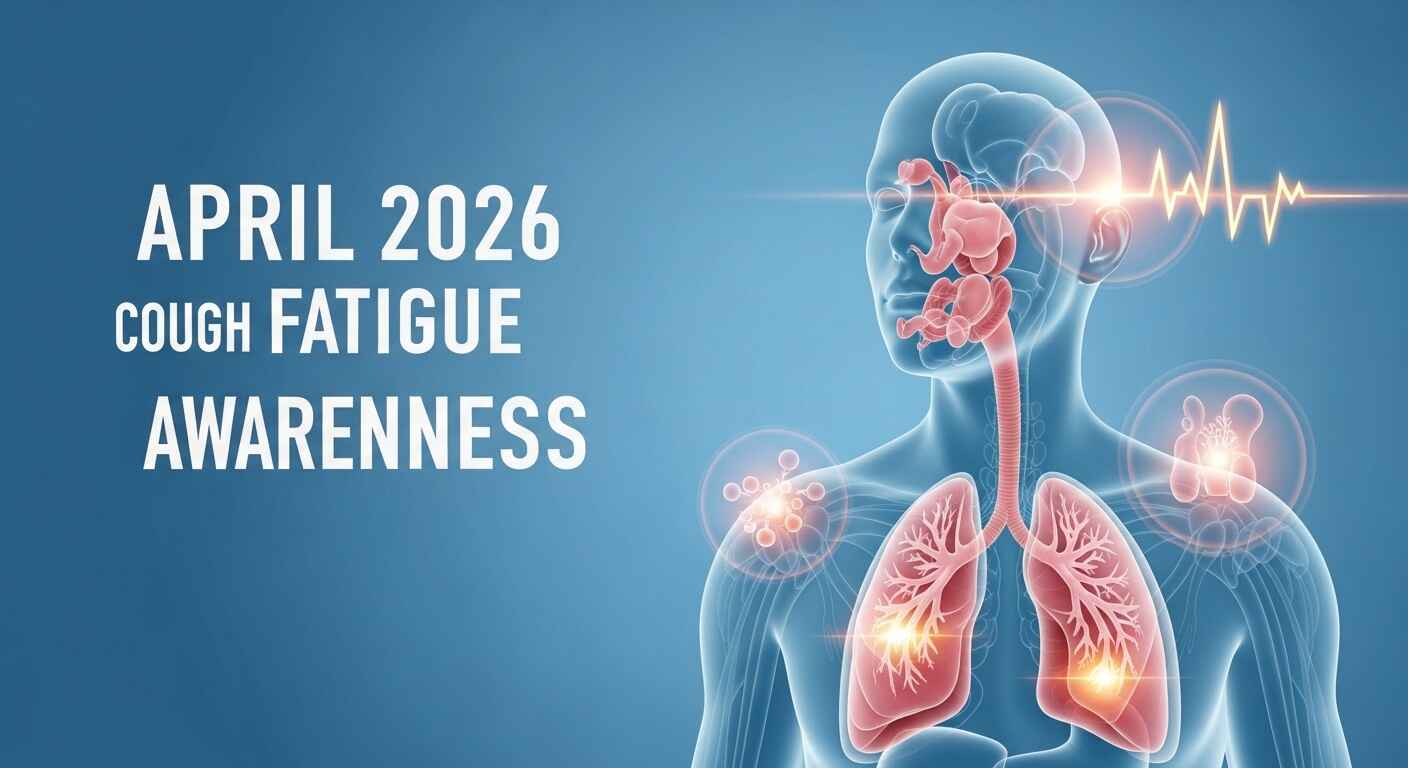
In recent weeks across the UK and USA, many people have been sharing experiences online about what’s being called the April 2026 cough and fatigue wave. TikTok feeds are filled with relatable stories of lingering coughs, unexpected tiredness, and a general sense of not feeling quite right. This article provides awareness-based information on what people are commonly reporting, everyday supportive habits, and ways to stay informed during this seasonal period. Remember, this is for educational awareness only and not a substitute for professional medical advice.
The April 2026 cough and fatigue wave has caught the attention of many in the UK and USA, with social media highlighting various experiences of respiratory discomfort and low energy levels.
What Is the April 2026 Cough and Fatigue Wave?
Across TikTok and other platforms, people in Britain and America are discussing a noticeable uptick in reports of coughs that seem to linger along with waves of tiredness. Many describe it as different from typical seasonal issues they’ve experienced before. Health awareness conversations are focusing on how these symptoms appear to spread quickly in communities, workplaces, and schools during early spring 2026.
Awareness is growing because the combination of a persistent cough and profound fatigue can affect daily routines, work productivity, and overall sense of wellbeing. While every person’s experience varies, the shared stories help communities stay alert and supportive of one another.
Common Early Signs People Are Reporting
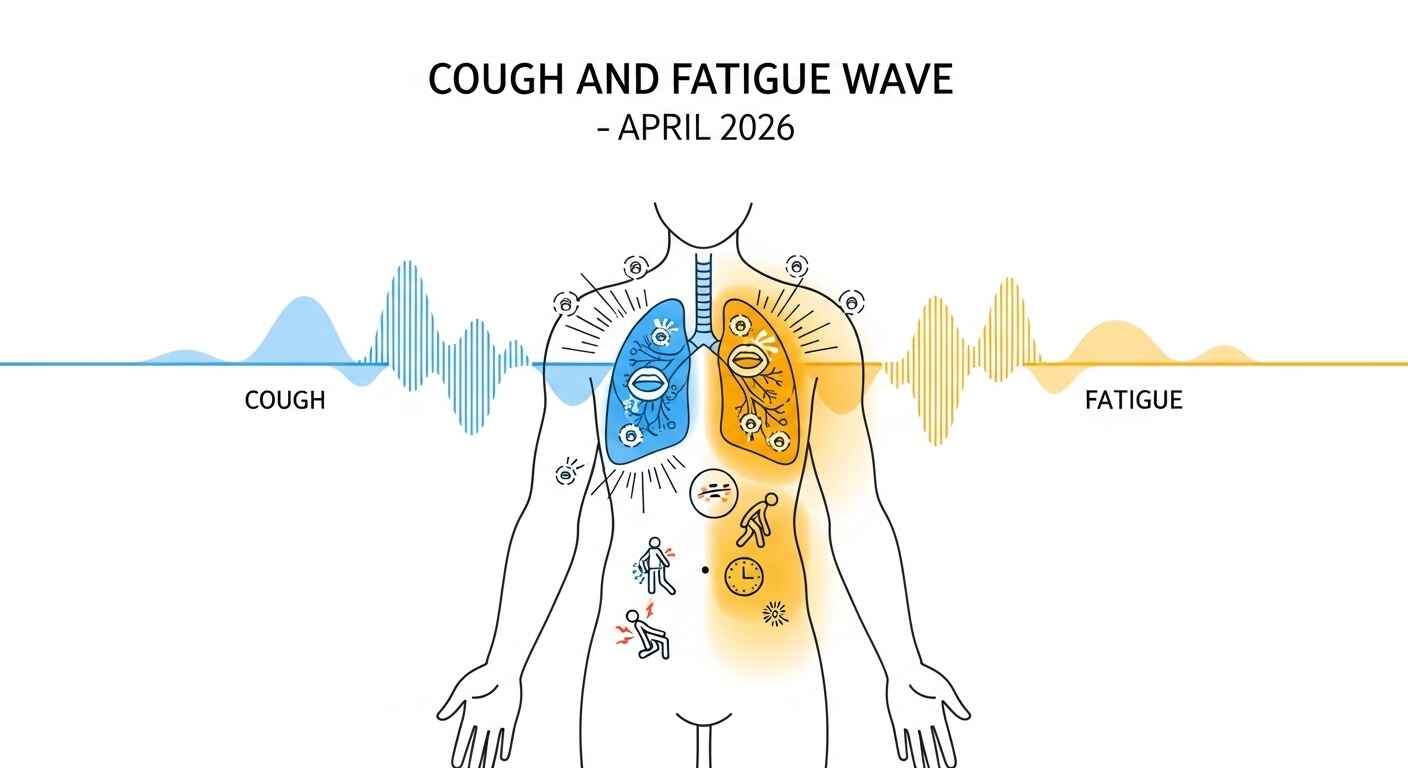
From viral videos and community discussions, frequently mentioned experiences include:
- A dry or tickly cough that comes and goes or lingers for days or weeks
- Unexpected fatigue that feels heavier than normal tiredness
- Sore throat or mild congestion at the start
- General body aches or a feeling of heaviness
- Occasional headaches or reduced energy for everyday tasks
- Ear pressure or a sense of fullness reported by some
These signs often appear gradually, which is why many people initially dismiss them as spring allergies or normal post-winter sluggishness. The April 2026 cough and fatigue wave has prompted greater awareness around paying attention to how the body feels over several days.
Variations in symptoms mean some experience mainly respiratory discomfort while others note the fatigue more prominently. This variety is common in seasonal wellness discussions and highlights why individual experiences differ.
Why Awareness Matters Right Now in the UK and USA
Spring 2026 has seen increased conversations about respiratory comfort and energy levels on both sides of the Atlantic. In the UK, surveillance reports show typical circulation patterns for various viruses, while in the USA similar trends appear in community discussions. The overlap of travel, changing weather, and indoor-to-outdoor transitions may contribute to how these experiences spread.
Building awareness helps families, colleagues, and communities support each other with simple, practical steps rather than panic. Many TikTok creators emphasise gentle observation of symptoms and when everyday routines might need slight adjustment.
Lifestyle Habits That Support Recovery and Daily Wellness

People sharing recovery stories often mention focusing on foundational habits that support the body’s natural resilience:
Prioritising Rest and Gentle Movement
Many report that allowing extra rest in the early days helps manage fatigue. Short, gentle walks in fresh air (when weather permits) or light stretching are popular suggestions for maintaining circulation without overexertion. In the UK and USA, people are adapting routines to include more downtime during this wave. For more ideas on gentle activity, check our guide on Spring Wellness Habits 2026.
Staying Well Hydrated
Drinking plenty of water, herbal teas, or warm fluids is a recurring tip. Hydration supports mucous membranes and overall comfort, especially with cough or congestion awareness. Learn more practical tips in our article on Daily Hydration Habits That Work.
Nutrition and Everyday Nourishment
Focus on balanced meals with fruits, vegetables, proteins, and whole grains. Many wellness creators highlight vitamin C-rich foods, zinc sources, and anti-inflammatory ingredients as part of normal seasonal eating patterns – always as general awareness, not treatment.
Creating a Supportive Sleep Environment
Consistent bedtime routines, cooler rooms, and limiting screens help combat fatigue. Good sleep hygiene is one of the most shared lifestyle suggestions during the April 2026 cough and fatigue wave. Explore more in our detailed post on Sleep Optimisation Routines 2026.
Air Quality and Indoor Habits
Opening windows when possible, using air purifiers in some homes, and maintaining cleanliness are simple steps people discuss for everyday comfort.
These habits form part of a broader wellness approach that many find helpful while navigating seasonal changes.
When Greater Awareness and Professional Input Become Important
While most experiences are described as manageable with rest and self-care, awareness includes knowing when to seek personalised guidance. People are encouraged to consult healthcare professionals if symptoms worsen, breathing feels different, fatigue becomes severe, or if they have underlying health considerations. This responsible approach keeps the focus on safety and informed decisions across the UK and USA.
Community Trends and TikTok Awareness in 2026
The April 2026 cough and fatigue wave has gone viral for good reason – people are connecting through shared experiences. Hashtags and videos show everything from humorous recovery stories to practical tip-sharing. This community aspect reduces isolation and promotes collective awareness without spreading fear.
Creators in Britain and America are emphasising kindness, patience with recovery timelines, and celebrating small daily improvements.
Prevention-Focused Everyday Strategies for Ongoing Wellness
Awareness content often highlights simple preventive habits that support year-round wellbeing:
- Regular hand hygiene and thoughtful social distancing when feeling under the weather
- Layering clothing for variable spring temperatures in the UK and USA
- Maintaining consistent routines even on busy days
- Building emotional resilience through connection with others
These small actions contribute to a proactive mindset during any seasonal wave.
Longer-Term Recovery Awareness
Many people note that coughs can linger and energy levels return gradually. Patience with the body’s timeline is a common message in recovery stories. Gradual return to normal activities, continued hydration, and balanced nutrition feature heavily in positive shared experiences.
FAQ Section
What are the most commonly reported signs in the April 2026 cough and fatigue wave?
People frequently mention a persistent cough, noticeable fatigue, mild congestion, and general low energy. Experiences vary widely.
How long does the fatigue typically last according to shared stories?
Recovery timelines differ; some feel better in days while others describe lingering tiredness for one to three weeks. Listening to your body is key.
Are children and older adults experiencing similar patterns?
Discussions suggest varied impact across age groups, with awareness encouraged for all family members.
What simple home habits are people trying during this wave?
Rest, hydration, nourishing foods, gentle movement, and good sleep routines are among the most shared suggestions.
Should I be worried if symptoms feel different from a usual cold?
Any new or concerning symptoms warrant speaking with a healthcare professional for personalised advice.
For the latest official surveillance insights in the UK, visit the UK Health Security Agency surveillance reports.
Disclaimer
This article is for awareness and educational purposes only. It is not medical advice, diagnosis, or treatment. Always consult a qualified healthcare professional for any health concerns. Information reflects community discussions and general trends as of April 2026 and may evolve.