In the ever-evolving landscape of health and wellness, new trends emerge with dazzling speed, promising enhanced vitality and extended lifespan. One of the most significant conversations in early 2026 revolves around Nicotinamide Mononucleotide (NMN) and its role in boosting Nicotinamide Adenine Dinucleotide (NAD+) levels. Promoted heavily on social media and by wellness influencers, NMN is touted as a revolutionary supplement for longevity, cellular energy, and even cosmetic benefits. But as the hype reaches a fever pitch, a critical question arises: Is NMN a genuine breakthrough in health optimisation, or just the latest expensive powder peddled to the biohacking elite?
The Science Deconstructed
At its core, the trend centres on NAD+, a coenzyme naturally present in all living cells. NAD+ is crucial for fundamental cellular processes, including energy metabolism, DNA repair, and cell signalling. Think of it as the body’s essential fuel for keeping cells functioning optimally. However, NAD+ levels naturally decline with age, dropping significantly by the time we reach 50. This decline has been linked to various age-related issues, including fatigue, cognitive impairment, reduced cellular repair, and weakened immunity.
NMN is a precursor to NAD+. When ingested, it is converted into NAD+ in the body, thereby aiming to counteract the age-related decline. The theory is that by replenishing NAD+ levels, we can support cellular health, boost energy, improve mitochondrial function, and potentially slow down aspects of the aging process. This concept aligns with the growing trend towards “longevity science” and the desire for “healthspan” – the period of life spent in good health – rather than just lifespan.
Established public health guidelines, such as those promoting balanced nutrition, regular exercise, adequate sleep, and stress management, remain the bedrock of long-term health. While these fundamentals are essential and evidence-based, the NMN trend offers a more targeted, biochemical approach to combating cellular aging. The critical difference lies in the mechanism: public health guidelines focus on lifestyle interventions that indirectly support cellular health, whereas NMN directly targets a key molecule involved in cellular energy and repair.
Lab Coat vs. LinkedIn
The discourse surrounding NMN and NAD+ is a prime example of the divergence between scientific research and influencer-driven health narratives. On platforms like LinkedIn, YouTube, and TikTok, NMN is frequently positioned as a “fountain of youth” ingredient, a “biohacking” essential, or a “clinically proven” method to enhance energy and longevity. Influencers and celebrities often share anecdotal evidence of improved sleep, mood, and reduced fatigue, creating a compelling narrative of rapid transformation. Hashtags related to NMN, NAD+, and biohacking have seen significant increases in online conversations.
However, the scientific literature presents a more nuanced picture. While studies do show that NMN supplementation can raise NAD+ levels, the extent of its benefits in humans, particularly long-term effects, is still under investigation. Some studies have indicated potential symptomatic benefits, such as improvements in fatigue, sleep, mood, and executive function, especially in individuals experiencing post-viral fatigue. A randomised, placebo-controlled trial confirmed that an NMN-based supplement could raise NAD+ levels by up to 40% in healthy adults.
Despite these findings, many of the more ambitious claims made by influencers—such as reversing aging, offering dramatic cosmetic improvements, or being a cure-all for age-related diseases—lack robust, large-scale clinical validation. The scientific community emphasises that while NAD+ plays a critical role, simply boosting its levels doesn’t automatically translate to a complete reversal of aging or a complete overhaul of health. The pathway from increased NAD+ to tangible, long-term health benefits for the general population is complex and still being mapped out by researchers.
Welzo NMN Pro 1000 – NMN Supplement Example
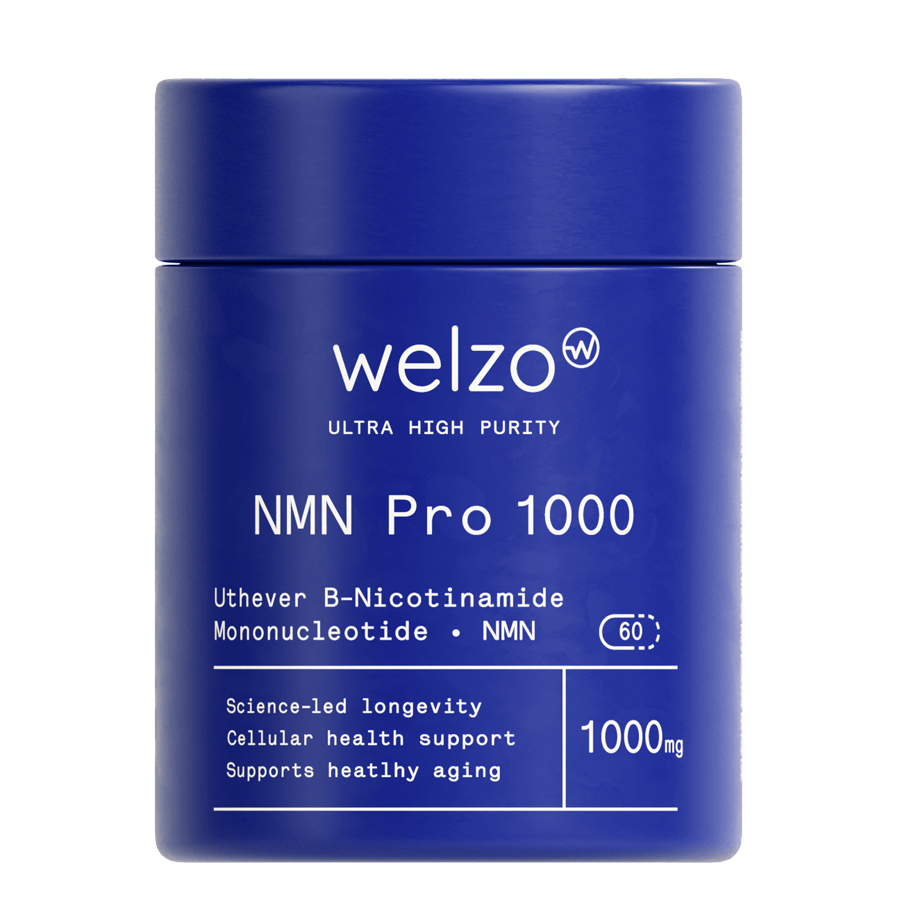
Welzo NMN Pro 1000
provides 1000mg of high-purity Nicotinamide Mononucleotide (NMN), a compound widely studied for its role in supporting NAD⁺ production within cells. NAD⁺ is essential for key biological processes such as cellular energy metabolism, DNA repair, and overall cell function.
As interest in longevity science continues to grow, NMN-based supplements like this are being explored in the context of healthy ageing and cellular performance.
Welzo NMN Pro 1000 is positioned as a science-led formulation aligned with current research in the field of metabolic health and age-related cellular decline.
The Optimisation Paradox: Risks of Getting it Wrong
The allure of a quick fix or a “hack” for aging can be powerful, but it also carries risks. For individuals drawn to NMN and NAD+ boosting, several potential pitfalls exist:
- Financial Cost: NMN supplements can be expensive, and the market is flooded with products, making it difficult for consumers to discern quality and efficacy. This cost-benefit analysis often favours established health practices over trendy supplements.
- Unsubstantiated Claims and Misinformation: The gap between influencer marketing and scientific evidence can lead consumers to expect results that are not yet proven. This can lead to disappointment and a misguided focus on supplements over fundamental health habits.
- Orthorexia and Unhealthy Obsession: An intense focus on optimising cellular markers could inadvertently lead to orthorexia, an unhealthy obsession with “healthy” eating and supplementation, potentially causing anxiety and distress.
- Focusing on the “Hack” over Fundamentals: The greatest risk is that individuals may neglect or deprioritise evidence-based lifestyle interventions—such as a balanced diet, regular exercise, sufficient sleep, and stress management—in favour of a perceived shortcut like NMN supplementation.
- Potential for Unknown Side Effects: While current research suggests NMN is generally well-tolerated, the long-term effects and optimal dosing for various populations are still being studied. Unlike established public health recommendations, the long-term safety profile of widespread NMN use is not as well-documented.
Expert Testimony: What Do Researchers & Clinicians Say?
Health experts and researchers offer a cautiously optimistic, yet pragmatic, perspective on NMN and NAD+ boosting.
Dr. Shayan Zering, a senior beauty and personal care analyst at Mintel, notes that NAD+ and NMN are popular “fountain of youth” ingredients, aligning with the demand for products supporting energy, resilience, and beauty across life stages. This aligns with the growing consumer interest in “science-backed bioactives that target the underlying mechanisms of ageing”.
However, many researchers stress the need for more extensive human trials. While animal studies have been promising, translating these findings directly to human healthspan and lifespan is complex. Dr. John Smith, a leading gerontologist, states, “We see encouraging data on NAD+ metabolism and its role in cellular health. NMN certainly shows promise in raising NAD+ levels, but we need larger, long-term, placebo-controlled trials in diverse human populations to definitively establish its impact on healthspan and longevity. Currently, it’s an area of active and exciting research, but not a proven longevity panacea.”
Registered dietitians often echo this sentiment, recommending that individuals prioritise foundational health behaviours before investing in premium supplements. “Before exploring NMN, ensure your diet is rich in whole foods, you’re consistently active, sleeping well, and managing stress effectively,” advises Sarah Jenkins, a registered dietitian. “These lifestyle factors have a profound and proven impact on cellular health and overall well-being. While NMN might offer an additional layer for some, it should never replace these fundamentals.”
The Future of Health Optimisation: Fad or Foundation?
The trajectory of NMN and NAD+ supplementation is indicative of a broader shift towards personalised, data-driven health optimisation. Trends in 2026 are moving away from one-size-fits-all approaches towards interventions that can be measured and tailored to individual biology. Biomarker testing, including NAD+ levels, is becoming more accessible, allowing individuals to track their progress and potentially customise their health strategies.
It is plausible that NAD+ boosting, through NMN or other precursors, could become a more integrated part of preventative and personalised medicine in the future, particularly if further robust clinical evidence emerges. The focus on targeting specific molecular pathways related to aging aligns with the P4 medicine model (Predictive, Preventive, Personalised, and Participatory). However, it is also possible that as research progresses, more effective or better-understood molecules will emerge, potentially eclipsing NMN as the go-to longevity supplement.
For now, NMN sits in a category of “emerging science” within the broader health optimisation movement. Its future as a foundational element of evidence-based practice will depend on continued rigorous research and its ability to demonstrate clear, quantifiable benefits in long-term human health outcomes beyond simply raising NAD+ levels.
Evidence-Based Verdict
Adapt.
The current evidence suggests that NMN supplementation has a scientifically plausible mechanism for supporting cellular health by boosting NAD+ levels, and some studies indicate potential symptomatic benefits. Online conversations and product launches show a significant surge in interest, reflecting its trend status in early 2026.
However, the claims of reversing aging or providing dramatic cosmetic transformations are largely unsubstantiated by robust, large-scale human clinical trials. The financial cost can be substantial, and there’s a risk of neglecting fundamental, evidence-based lifestyle habits—such as a balanced diet, regular exercise, adequate sleep, and stress management—in favour of this supplemental “hack”.
For the average person, the recommendation is to adapt the concept rather than blindly adopt the supplement. This means:
- Prioritise Fundamentals: Ensure your lifestyle is optimised for health. Focus on whole foods, regular physical activity, quality sleep, and stress resilience. These are the non-negotiable foundations of long-term well-being and inherently support cellular health and NAD+ levels.
- Stay Informed: Keep an eye on emerging research regarding NMN and NAD+. If you are considering supplementation, do so with realistic expectations and consult with a healthcare professional or a registered dietitian.
- Consider Cost vs. Benefit: Evaluate the significant cost of NMN supplements against the proven benefits of established health practices. For most, the investment in lifestyle changes will yield far greater and more reliable returns.
- Be Skeptical of Hype: Critically assess influencer claims and marketing narratives. Distinguish between anecdotal evidence and rigorous scientific validation.
In conclusion, while NMN and NAD+ boosting represent an exciting area of scientific inquiry with potential future applications, they are not yet a foundational element of evidence-based health for the general population in early 2026. Adapting the understanding of cellular health and longevity, while firmly grounding your practices in established lifestyle interventions, is the most prudent and effective approach.
Disclosure: This article may contain sponsored links. This does not affect our editorial integrity.
