
Why does my face feel tight in winter? Cold air and dry indoor heat pull water out of the top layer of your skin, so it feels pulled and uncomfortable. This article explains the common causes, a simple routine that helps, and when to see a GP.
- Why does my face feel tight in winter? Cold wind, low humidity and central heating all draw moisture out of your skin.
- Hot showers, harsh cleansers and strong exfoliating products make tightness worse.
- A gentle cleanser, a richer fragrance-free moisturiser and damp-skin timing do most of the work.
- Scarves, lip balm and sunscreen protect your face outdoors.
- See a GP if the tightness lasts, looks inflamed or feels painful.
- Why does my face feel tight in winter?
- 7 common causes of a tight face
- What tight, dry skin looks like
- A simple routine for a tight face in winter
- Lotion, cream or ointment?
- Daily habits that protect your skin
- Why your face can still feel tight after moisturising
- When to see a GP or doctor
- Frequently asked questions
- References
- Disclaimer
Why does my face feel tight in winter?
Your outer skin layer works like a wall. It keeps water in and irritants out. When the air turns cold and dry, water escapes from that layer faster than your skin can replace it. Mayo Clinic says dry skin comes down to water loss from the outermost layer.
Two things hit you at once in winter. Outside, cold wind and low humidity dry your face. Inside, central heating, wood-burning stoves and open fires lower humidity even more, according to Mayo Clinic. Your skin never gets a break.
The result feels like a mild pulling across the cheeks, forehead or around the mouth. You notice it most after washing your face or stepping out of the shower. Rough patches, flaking or a dull look often follow.
So why does my face feel tight in winter after a normal day? Imagine someone who walks to work in a cold wind, sits in a heated office all day and takes a hot shower every evening. Their face loses moisture at every step, and nothing in the day puts any back. That’s the typical winter pattern.
7 common causes of a tight face
Why does my face feel tight in winter for some people and not others? Most people have more than one cause at work. Read through the list and see which ones sound familiar.
1. Dry air from central heating
Heating takes humidity out of indoor air. The American Academy of Dermatology (AAD) notes that turning up the furnace or lighting a fireplace creates dry heat that leaves skin dry and irritated. Its dermatologist suggests wearing warmer clothes and using blankets indoors instead of raising the heat.
2. Cold wind and outdoor air
Cold air holds less moisture, and wind strips away what’s left on exposed skin. Your face, hands and lips take the brunt because you rarely cover them. Scarves, hats and gloves help, as Mayo Clinic advises for cold or windy weather.
3. Hot showers and long baths
Hot water feels wonderful in winter, but it dries your skin. Mayo Clinic recommends keeping baths and showers to 10 minutes or less, using warm instead of hot water, and washing no more than once a day. The AAD gives the same warm-water advice.
4. Harsh soap and cleansers
Many soaps, detergents and shampoos are designed to remove oil, so they pull moisture from your skin too. Antibacterial, deodorant and scented soaps are especially harsh on dry, sensitive skin, according to the AAD. A gentle, fragrance-free cleanser is the safer choice.
5. Too many exfoliating products
Exfoliating acids smooth fine lines, but they irritate in cold weather. A dermatologist quoted by the AAD recommends cutting back on products with alpha or beta hydroxy acids in winter, even when you pair them with a moisturiser. Scrubbing counts too, since Mayo Clinic lists too much scrubbing as a cause of dry skin.
6. A moisturiser that’s too light or applied too late
Lotions contain the most water and the least oil, so they moisturise least, according to Guy’s and St Thomas’ NHS Foundation Trust. They also usually contain preservatives, which sometimes irritate. Creams and ointments seal in more. Timing matters as well, so moisturise straight after washing.
7. Age, health and skin conditions
Some people get tight, dry skin more easily. Mayo Clinic lists being over 40, an underactive thyroid, diabetes, eczema and psoriasis among the factors. Skin also thins with age and makes less of the oil it needs to hold water. If dryness keeps returning whatever you do, a GP can look for an underlying cause.
What tight, dry skin looks like
Why does my face feel tight in winter, and how do I know it’s dryness? Tightness is a feeling, but you can often see dryness as well. Mayo Clinic lists these signs:
- Rough skin and slight to severe flaking
- Scaling or peeling
- Fine lines and itching
- Redness on white skin
- A greyish tone on brown and Black skin
- An ashy look from flaking on brown and Black skin
Redness is easier to spot on lighter skin. On darker skin, ashiness and a greyish tone are the signs to watch for. Look at how the skin appears as well as how it feels.
A simple routine for a tight face in winter
You don’t need ten products. The sources we checked point to the same basics: gentle cleansing, a richer moisturiser and protection from the weather. If you’re wondering why your face feels tight in winter even with a full shelf of products, simplifying often helps. Try this order:
- Cleanse gently. Use lukewarm water and a gentle, fragrance-free cleanser. Pat your face dry with a soft towel instead of rubbing.
- Moisturise straight away. The AAD advises applying moisturiser immediately after washing to trap the water already in your skin. Mayo Clinic says to apply it while your skin is still damp.
- Choose a cream or ointment. The AAD says these work better and irritate less than lotions. Pick fragrance-free versions.
- Add protection by day. Mayo Clinic suggests a moisturiser with sunscreen, or a broad-spectrum sunscreen of at least SPF 30, before you go out, even on cloudy days.
- Go richer at night. Guy’s and St Thomas’ suggests an ointment overnight and a cream in the morning, because ointments are greasier and suit very dry skin.
- Protect your lips. The AAD recommends lip balm when you’re outdoors.
How often should you reapply? NHS 111 Wales says you can apply moisturising products whenever your skin feels dry or tight, and it stresses that your hands and face need regular care because the weather hits them hardest.
One safety point: greasy products soak into clothes and bedding. NHS 111 Wales advises keeping all emollients away from flames and cigarettes.
Lotion, cream or ointment?
The texture of your moisturiser changes how well it works. This table sums up the differences described by Guy’s and St Thomas’ NHS Foundation Trust.
| Texture | Feel | Best for | Keep in mind |
|---|---|---|---|
| Lotion | Light, mostly water | Hairy areas | Moisturises least and usually contains preservatives |
| Cream | Thicker mix of oil and water | Daytime use | Needs generous, frequent use |
| Ointment | Greasy and thick | Very dry skin and night-time | Feels heavy; keep away from flames |
NHS 111 Wales adds that ointments usually have no preservatives, which suits sensitive skin. Many people prefer a cream by day and an ointment at night. If your face feels greasy under makeup, stay with the cream and see how your skin responds.
Daily habits that protect your skin
Products only do part of the job. If you keep asking, "Why does my face feel tight in winter?", these habits help keep moisture in your skin:
- Shorten your showers. Aim for 10 minutes or less with warm water, as Mayo Clinic suggests.
- Add moisture to the air. The AAD’s dermatologist recommends a filtered, cool-mist humidifier in the bedroom, because night-time is when skin recovers.
- Cover up outdoors. Wear a scarf, hat and gloves, and cover as much skin as you can in cold or windy weather.
- Choose gentle fabrics. If your skin is very dry or raw, the AAD suggests soft fibres such as cotton or silk and a fragrance-free laundry detergent.
- Wear gloves for chores. Mayo Clinic recommends them for gardening and for work with harsh cleansers.
- Drink when you’re thirsty. Mayo Clinic suggests drinking water or other noncaffeinated drinks each day to keep your tissues hydrated.
- Protect your sleep. The AAD points out that uninterrupted sleep gives your skin time to recover.
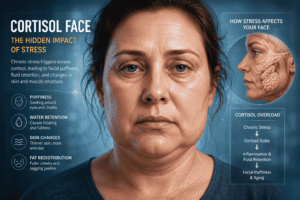
Stress and poor sleep also show on your face. Our article on cortisol face signs covers one side of that link, and our Wellness section has more on sleep and stress habits. You can also browse our Beauty & Hair section for more skin and hair guides.
Why your face can still feel tight after moisturising
Do you moisturise every day and still ask why your face feels tight in winter? Check these points:
- Texture. A lotion may be too light. Try a fragrance-free cream or ointment instead.
- Timing. Moisturiser works best on damp skin straight after washing.
- Cleanser. A foaming or scented wash can undo your good work. Switch to a gentle one.
- Strong products. Pause exfoliating acids and scrubs for a while and see whether your skin settles.
- Irritation. NHS 111 Wales says to speak to a GP, nurse or pharmacist if burning or stinging doesn’t settle after a few days of using a moisturising product.
Imagine a woman in her 40s who moisturises every morning but still feels tight by lunchtime. She washes with a foaming cleanser and uses a light lotion. Swapping to a gentle wash and a cream is a sensible first step. Change one thing at a time so you can see which step helped.
When to see a GP or doctor
Dry skin usually responds well to self-care, so most people who ask, "Why does my face feel tight in winter?", don’t need treatment. Mayo Clinic advises seeing a healthcare professional if:
- The dryness lasts despite self-care.
- Your skin becomes inflamed or painful.
- Discomfort costs you sleep or distracts you from daily life.
- Open sores or infections develop from skin that has broken open.
- Large areas of scaly or peeling skin appear.
Very dry skin can crack, and cracks let bacteria in. It can also trigger eczema in people who are prone to it, according to Mayo Clinic. A GP, or a primary care doctor or dermatologist in the USA, can check for causes such as eczema or an underactive thyroid. The American Academy of Dermatology also says you don’t need to wait until skin is raw or bleeding. Get checked early if home care isn’t working.
Still asking, "Why does my face feel tight in winter?", after trying these steps? Your pharmacist is a good first stop for product advice. If you have a long-term skin condition, follow the plan your doctor or nurse gave you.
Frequently asked questions
Why does my face feel tight in winter even when I drink plenty of water?
Usually the cause is water escaping through the skin surface, not how much you drink. Drinking when you’re thirsty supports your whole body, including your skin, but a moisturiser is what seals water in. If tightness persists despite good self-care, speak to your GP.
Why does my face feel tight after washing it?
Washing removes some of your skin’s natural oils, and winter air dries it faster afterwards. Hot water and harsh cleansers make this worse. Switch to a gentle, fragrance-free cleanser, use warm water, pat dry and moisturise while your skin is still damp.
Should I use a heavier moisturiser in winter?
Yes, many people do better with a richer cream or ointment in cold weather. The American Academy of Dermatology suggests switching to heavier creams when it’s cold and choosing creams or ointments over lotions. Pick fragrance-free products and apply after washing, while your skin is still slightly damp.
Can exfoliating acids make my face feel tight in winter?
Yes, they can. A dermatologist quoted by the American Academy of Dermatology recommends cutting back on products with alpha or beta hydroxy acids in winter because they irritate dry skin. If your face feels tight and sore, pause strong active products and keep your routine simple until it settles.
Does a humidifier help a tight face?
It can help. Heating dries indoor air, and a cool-mist humidifier in the bedroom adds moisture back overnight, which the American Academy of Dermatology highlights as useful for both dryness and prevention. Keep the device clean, follow the maker’s instructions and don’t rely on it alone.
When does a tight face need a GP?
See a GP if tightness lasts despite good self-care, your skin looks inflamed or feels painful, or itching disturbs your sleep. Mayo Clinic also lists open sores or infections from broken skin and large scaly or peeling areas as reasons to get checked. In the USA, see your doctor or a dermatologist.
References
- Dry skin: Symptoms and causes, Mayo Clinic
- Cold weather and your skin, American Academy of Dermatology
- Emollients and how to use them, Guy’s and St Thomas’ NHS Foundation Trust
- Emollients, NHS 111 Wales (adapted from NHS website content)
Disclaimer
This article is for educational purposes only and isn’t medical advice. It doesn’t replace advice from a qualified doctor or GP. Speak to your GP, pharmacist or doctor about your own skin and health.