🔍 Search Your Health Problem Here

Trending Now Insight: Mar 02, 2026

The dominant trending topic in “Science-Based Health Tips” right now, in early 2026, is the heightened focus on **longevity and optimizing healthspan through personalized, data-driven, and holistic lifestyle interventions.** This trend is less about radical, extreme biohacking and more about sustainable, everyday adjustments backed by scientific research. It encompasses an integrated approach to physical and mental well-being, leveraging technology and a deeper understanding of individual biology.

## Longevity’s Everyday Evolution: Optimising Healthspan with Personalised Science

The wellness landscape in early 2026 is buzzing with a nuanced approach to longevity. Gone are the days of chasing extreme anti-aging protocols; the current viral trend centres on optimising “healthspan”—the number of years lived in good health—through a deeply personalised and science-backed lens. This isn’t about living to 120, but about enhancing daily energy, cognitive function, and overall resilience. Social media feeds, wellness podcasts, and health forums are awash with discussions on how to integrate this philosophy into everyday life, moving beyond generalised advice to hyper-individualised strategies.

The driving force behind this trend is a collective desire for sustainable well-being, moving away from quick fixes and towards long-term health strategies. Influencers and experts alike are pushing for a more informed, data-driven approach, encouraging individuals to become active participants in their own health journeys. This shift is fuelled by a growing body of scientific research that highlights the intricate connections between various bodily systems and their impact on long-term health.

### The Science Deconstructed: Beyond Lifespan to Healthspan

At its core, the longevity and healthspan trend is about understanding and enhancing the body’s natural processes to prevent disease and maintain optimal function for as long as possible. This involves a multi-faceted approach that goes far beyond traditional public health advice. While decades of evidence-based guidance have focused on fundamental principles like balanced diets, regular exercise, and sufficient sleep, the current trend delves deeper into personalised biology and real-time data.

Key areas of focus include:

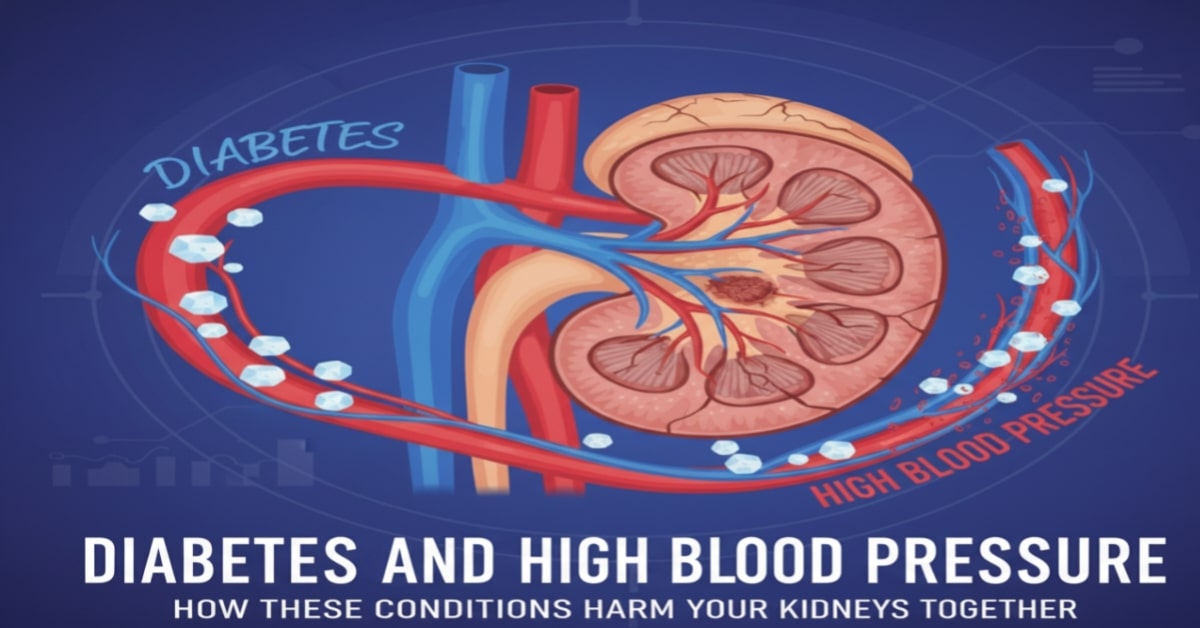
* **Metabolic Health:** This remains a cornerstone, with an emphasis on blood sugar stability. Experts are promoting strategies like mindful eating that prioritises fibre, protein, and healthy fats before carbohydrates to blunt glucose spikes. The link between gut health and metabolic disorders like obesity and insulin resistance is also a significant area of research, with microbiome personalization emerging as a key strategy.
* **Cellular Efficiency and Mitochondrial Function:** While not always explicitly termed, the concept of optimising cellular energy production and function is a significant undercurrent. Longevity science is increasingly focusing on mitochondrial health as a key indicator of biological age and overall vitality.
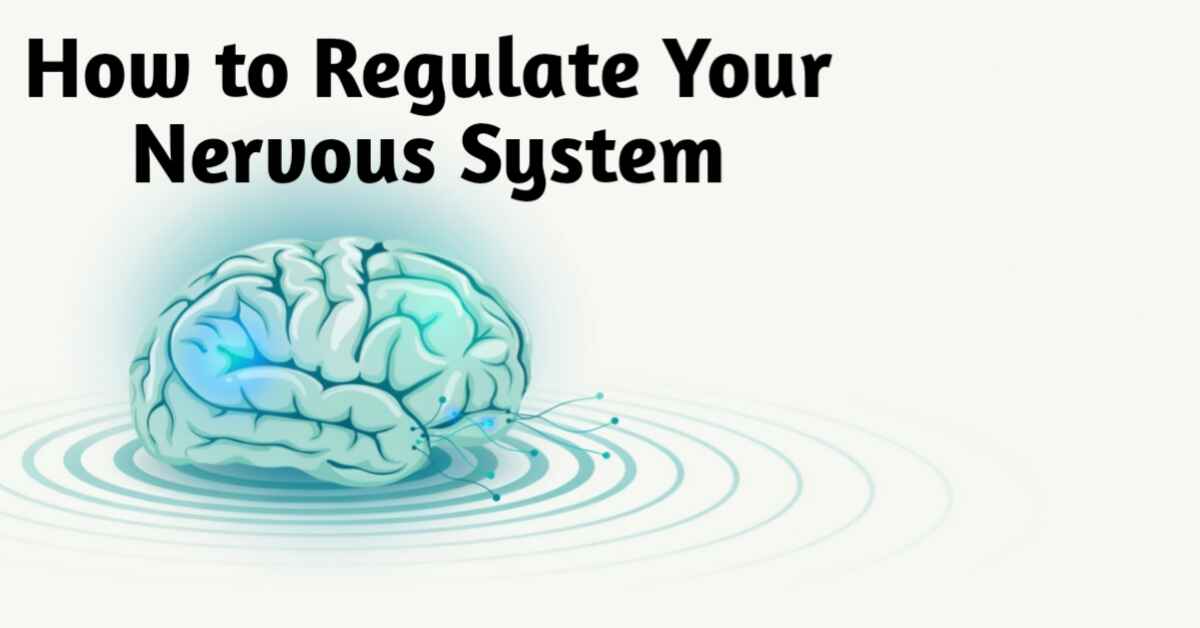
* **Nervous System Regulation:** In an era of constant digital stimulation, the regulation of the nervous system is paramount. Trends like breathwork, mindfulness, and “somatic practices” are gaining traction as ways to combat chronic stress and promote mental and emotional resilience. The vagus nerve, a key communication pathway between the brain and body, is a particular focus for enhancing calm and resilience.
* **Brain Health:** Cognitive function and mental well-being are now viewed as integral to longevity. Biohacking for brain health includes cognitive training apps, neurofeedback, and lifestyle factors such as exercise, sleep, and stress management.
* **Biological Age Tracking:** Beyond chronological age, there’s a growing interest in understanding and influencing “biological age”—the age of our cells and tissues. This involves tracking biomarkers related to aging, with interventions aimed at reversing or slowing this biological clock.

Compared to the established, unsexy public health advice—eat well, move more, sleep well, don’t smoke—this trend integrates these fundamentals with sophisticated, personalised data and interventions. The proposed mechanisms of action are complex, involving cellular signalling pathways, hormonal balance, and intricate gut-brain axis interactions.

### Social Media vs. Systematic Reviews: Navigating the Hype

The current viral discourse around longevity and healthspan is largely disseminated through social media platforms, podcasts, and wellness influencers. TikTok, Instagram Reels, and YouTube Shorts are rife with short-form content promising hacks for better aging, improved cognitive function, and increased energy. These platforms often simplify complex scientific concepts, leading to potential oversimplification and cherry-picking of research.

For instance, claims about specific supplements or extreme dietary protocols might gain traction based on anecdotal evidence or preliminary in-vitro studies. Influencers may highlight studies with small effect sizes or extrapolate findings from animal models to human applications without adequate scientific rigour. The narrative on social media often focuses on the “shiny new thing,” a specific supplement stack, or a novel device.

In stark contrast, systematic reviews and meta-analyses, the gold standard of evidence-based medicine, tend to be more cautious. Recent publications in journals like *The Lancet*, *Nature Medicine*, and *JAMA* are consolidating research on the multifactorial nature of aging and healthspan. These reviews underscore the importance of lifestyle interventions, metabolic optimisation, and the gut microbiome, but often emphasise that robust, long-term human studies are still needed for many emerging interventions.

The scientific community is increasingly focused on translating complex biological data into actionable, evidence-based recommendations. While social media can be a powerful tool for raising awareness, critical evaluation of the source and the scientific backing of any trending health tip is crucial. The trend towards “evidence-led botanicals” and “smarter collagen” reflects a desire for scientifically validated natural solutions, moving away from vague herbal claims.

### The Optimisation Paradox: Risks of Jumping on the Bandwagon Now

While the pursuit of longevity and optimal healthspan is a noble goal, the current trend also presents a potential “optimisation paradox.” The constant exposure to new hacks and protocols on social media can foster an environment of orthorexia or an obsessive focus on health that can be detrimental.

**Who should avoid this trend?** Individuals prone to anxiety, obsessive-compulsive tendencies, or disordered eating should exercise extreme caution. The relentless pursuit of perfect health metrics can lead to significant stress and mental burden.

**Potential Red Flags:**

* **Sustainability:** Many viral hacks, while promising, are not sustainable in the long term due to cost, complexity, or social impracticality.
* **Financial Sink:** The proliferation of expensive supplements, diagnostic tests, and biohacking gadgets can create a significant financial burden, diverting resources from more fundamental, evidence-based health practices.
* **Ditching Foundational Habits:** The allure of a “new” protocol can lead individuals to abandon proven, albeit “boring,” health basics like consistent sleep hygiene, balanced nutrition, and regular movement. The emphasis on “sustainable simplicity” is a direct response to this overwhelm.
* **Misinterpretation of Data:** Over-reliance on self-tracked data without proper interpretation can lead to unnecessary anxiety and misguided health decisions. AI-powered platforms are emerging to help with this, but their efficacy and ethical implications are still being refined.

### Expert Testimony: What Are Researchers & Clinicians Saying This Week?

The scientific and clinical community is largely endorsing the shift towards a more holistic and data-driven approach to longevity, while cautioning against the oversimplification and misinformation that often accompanies viral trends.

Dr. Hannah Nearney, clinical psychiatrist and UK Medical Director at Flow Neuroscience, highlights the growing importance of “emotional fitness” over emotional suppression, stating, “Emotional fitness helps people identify emotional strain before it escalates, reducing the risk of anxiety and burnout”. This aligns with the broader trend of nervous system regulation being central to health.

Researchers are also pointing towards the consolidation of existing trends rather than revolutionary breakthroughs. As noted in *Mass General Brigham*’s predictions for 2026, “medical AI will move from the ‘Peak of Inflated Expectations’ to the early ‘Slope of Enlightenment’ on the Gartner Hype Cycle—a sign that hype is giving way to reality”. This suggests that while AI will play a significant role, its real-world clinical application will become more pragmatic.

Experts are also emphasizing the need for evidence-based practices. The push for “evidence-led botanicals” and personalized solutions over “one-size-fits-all” supplements reflects a maturing wellness industry. Clinicians are increasingly advocating for consumers to scrutinise the source of health information, favouring scientifically backed organisations and qualified professionals over influencers with large followings.

### The Future of This Trend: Flash-in-the-Pan or Next Staple?

The current emphasis on longevity and healthspan, powered by personalization and data, appears to be more than a fleeting trend. Its roots are firmly planted in advancing scientific understanding of aging, genetics, and the intricate interplay of biological systems. The fusion of technology—wearables, AI, and advanced diagnostics—with a renewed focus on fundamental lifestyle factors suggests this approach will continue to evolve and become a staple of modern healthcare and wellness.

The shift from merely extending lifespan to prioritising healthspan is a significant paradigm change. This long-term focus means that interventions will likely be integrated into daily life, becoming less about “biohacking” in an extreme sense and more about informed, sustainable health practices. As research continues to mature, we can expect to see more robust clinical trials testing interventions like epigenetic clocks and aging biomarkers, guiding strategies for healthy aging. The trend towards simpler, more accessible, and evidence-based approaches further solidifies its potential longevity.

### Evidence-Based Verdict Right Now: Adapt Sensibly

For the average person navigating the wellness landscape in early 2026, the verdict on the longevity and healthspan trend is to **adapt sensibly**.

**Adopt** the core principles of a science-backed, personalised approach to health. This includes:

* **Prioritising Metabolic Health:** Focus on blood sugar stability through mindful eating.
* **Embracing Nervous System Regulation:** Integrate practices like mindfulness, breathwork, and adequate sleep.
* **Valuing Cognitive Function:** Support brain health through lifestyle choices.
* **Seeking Personalised Insights:** If accessible and affordable, consider advanced diagnostics to understand your unique biology.

**Adapt** by critically evaluating any trending hack or protocol. Ask:

* **Who is promoting this, and what are their credentials?**
* **Is there robust scientific evidence, beyond anecdotal reports or preliminary studies?**
* **Is this sustainable and realistic for my lifestyle and budget?**
* **Does this complement, rather than replace, foundational health habits?**

**Abandon** approaches that promise miracle cures, rely on pseudoscience, or create undue stress and obsession. Be wary of excessive supplement stacks or expensive gadgets without clear, evidence-based benefits.

Ultimately, the most effective strategy for longevity and healthspan in 2026 lies in a balanced, informed, and personalised approach that integrates the best of scientific advancement with timeless, evidence-based lifestyle practices. It’s about building resilience and vitality for the long haul, rather than chasing ephemeral viral trends.

Dedicated to providing evidence-based health insights and wellness tips. Our mission is to simplify complex medical research into actionable advice for a healthier lifestyle. Focused on UK health standards and holistic well-being.

Sharing Is Caring:

Leave a comment