🔍 Search Your Health Problem Here

Home Remedies Insight: Feb 27, 2026

# The Golden Elixir: Unpacking the Science Behind Turmeric Milk’s Viral Comeback

🌟 Join Us On Social Media — Stay Healthy & Informed!

In the ever-evolving landscape of wellness, a humble concoction traditionally brewed in kitchens across the Indian subcontinent has resurfaced with viral force: golden milk, also known as turmeric milk or ‘haldi doodh’. This vibrant, warming beverage, propelled by social media trends and a growing interest in natural remedies, is being lauded for its purported benefits, from promoting sleep and boosting immunity to reducing inflammation and even aiding weight loss. But beyond the aesthetically pleasing golden hue and the comforting embrace of a warm drink, what does the science say about this ancient remedy’s modern-day resurgence? As early 2026 unfolds, golden milk stands as a prime example of how traditional wisdom, repackaged for contemporary consumption, captures the public’s imagination.

## The Science Deconstructed: From Kitchen Spice to Curcumin Powerhouse

At its core, golden milk is a simple blend of milk (dairy or plant-based), turmeric, and often a medley of other warming spices like ginger, cinnamon, and black pepper. The magic, however, is largely attributed to curcumin, the principal curcuminoid found in turmeric. Curcumin is a potent polyphenol that has been the subject of extensive scientific research, primarily for its powerful antioxidant and anti-inflammatory properties.

The proposed biological mechanisms behind golden milk’s benefits are rooted in curcumin’s ability to combat inflammation at a molecular level. Studies indicate that curcumin can inhibit key enzymes and molecules involved in the inflammatory process, such as cyclooxygenase-2 (COX-2), lipoxygenase (LOX), and inducible nitric oxide synthase (iNOS). This anti-inflammatory action is thought to be comparable to some pharmaceutical interventions, albeit with a different safety profile.

Beyond inflammation, curcumin’s antioxidant capacity is also noteworthy. Antioxidants protect the body’s cells from damage caused by free radicals, which are implicated in aging and various chronic diseases. Emerging research also suggests curcumin may influence brain-derived neurotrophic factor (BDNF), a protein crucial for neuronal growth and connection, potentially offering benefits for cognitive function and mood. Furthermore, some studies suggest curcumin could play a role in metabolic health, potentially aiding in blood sugar regulation and even influencing inflammatory markers associated with obesity.

However, a significant challenge in harnessing curcumin’s benefits lies in its poor bioavailability. Curcumin is rapidly metabolized by the body, meaning only a small amount is absorbed and utilised. This is where the traditional preparation of golden milk shines. The inclusion of black pepper, specifically its active compound piperine, is crucial as it can significantly enhance curcumin absorption by up to 2,000%. Additionally, the fat-soluble nature of curcumin means that consuming it with a source of fat, such as milk (especially full-fat dairy or certain plant-based alternatives like soy or almond milk), further aids in its absorption.

Compared to established medical guidelines, golden milk offers a natural, complementary approach. While not a replacement for evidence-based medical treatments for conditions like arthritis, diabetes, or sleep disorders, its ingredients provide a supportive role. For instance, in managing inflammation, conventional treatments might involve NSAIDs, whereas golden milk offers a gentler, albeit potentially less potent, natural alternative.

## Kitchen Folklore vs. Clinical Trials: The Hype and the Hope

The current discourse surrounding golden milk is a fascinating blend of ancestral wisdom amplified by digital platforms. TikTok and Instagram reels showcase influencers demonstrating elaborate preparations, often romanticising the drink as a panacea for everything from weight loss to sleepless nights. The narrative frequently highlights its “ancient” origins and “magical” properties, making it an appealing, aesthetically pleasing ritual for the modern wellness consumer.

However, the scientific community’s perspective, as reflected in systematic reviews and meta-analyses, presents a more nuanced picture. While research supports curcumin’s anti-inflammatory and antioxidant effects, the evidence for specific claims, such as significant weight loss or a direct cure for insomnia, is often qualified. For example, while turmeric may suppress inflammatory markers linked to obesity, more human studies are needed to confirm its efficacy as a weight management tool. Similarly, while golden milk can promote relaxation and indirectly support sleep through its anti-inflammatory properties, it’s not a guaranteed insomnia cure. Experts often stress that while it can be a soothing bedtime ritual, good sleep hygiene remains paramount.

The oversimplification and over-extrapolation of research findings on social media can lead to unrealistic expectations. Claims of “miracle cures” often overshadow the need for balanced diets, regular exercise, and evidence-based medical care. The trend also touches upon issues of cultural appropriation, with traditional remedies being rebranded and commercialized without always acknowledging their origins.

## The DIY Danger Zone: Risks of Getting it Wrong

While golden milk is generally considered safe for most individuals when consumed in moderation, potential risks exist, particularly with excessive consumption or in specific populations.

**Digestive Issues:** Consuming too much turmeric can lead to stomach cramps, gas, bloating, and acid reflux. Individuals with sensitive stomachs or gastroesophageal reflux disease (GERD) may find their symptoms worsen.

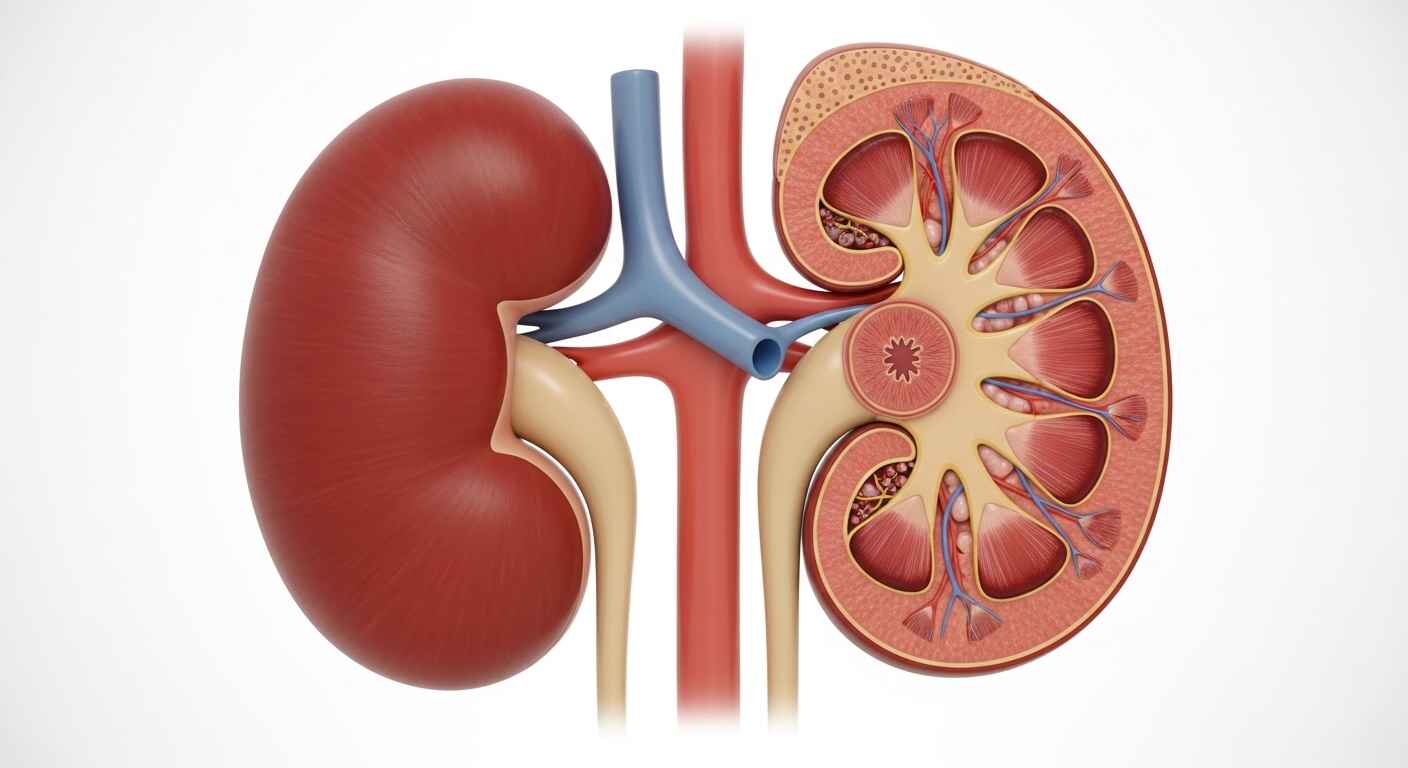
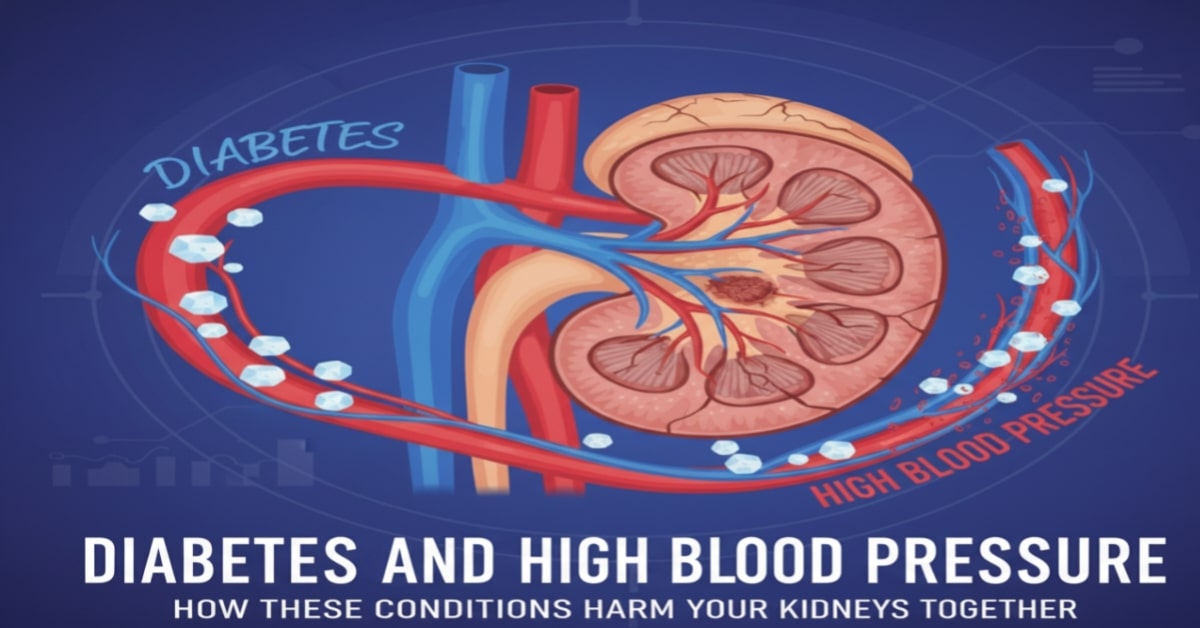
**Kidney Stones:** Turmeric contains oxalates, which can bind with calcium and increase the risk of kidney stone formation in susceptible individuals.

**Blood Thinning:** Turmeric possesses natural blood-thinning properties. Those already on anticoagulant medication (e.g., warfarin, aspirin) should exercise caution, as excessive intake could increase the risk of bleeding.

**Iron Absorption:** Turmeric can interfere with the body’s absorption of iron. Regular consumption, especially in large quantities, may lead to or exacerbate iron deficiency anemia.

**Allergic Reactions:** Though rare, some individuals may experience allergic reactions to turmeric, manifesting as skin rashes, itching, or hives.

**Medication Interactions:** Turmeric can interact with various medications, including blood thinners, diabetes medications, blood pressure medications, and antacids. It’s crucial to consult a healthcare provider if you are on any medication.

**Delayed Medical Care:** Perhaps the most significant danger lies in individuals abandoning evidence-based medical treatments for a perceived “natural fix.” This can lead to delayed diagnosis and treatment of serious health conditions.

**Financial Cost:** While the ingredients are generally affordable, the trend has also spawned pre-made mixes and supplements, which can represent a financial cost, especially if consumed in large quantities.

## Expert Testimony: What Do Researchers & Clinicians Say?

Experts in pharmacology, registered dietetics, and general practice generally acknowledge the potential benefits of turmeric and its active compound, curcumin, particularly its anti-inflammatory and antioxidant properties.

Pharmacologists and toxicologists emphasize the importance of dosage and bioavailability. They note that while curcumin has shown promise in research, the concentrations used in clinical studies are often higher than what can be achieved through typical dietary consumption of golden milk. They also highlight the potential for interactions with medications and the need for caution in specific patient groups.

Registered dietitians and nutritionists often view golden milk as a healthy, comforting beverage that can be a beneficial addition to a balanced diet, particularly when prepared with unsweetened milk and limited added sweeteners. They appreciate its role in promoting relaxation and its potential for mild anti-inflammatory support. However, they caution against viewing it as a cure-all and stress the importance of a holistic approach to health that includes a varied diet, exercise, and adequate sleep hygiene.

General practitioners and physicians tend to agree that while golden milk has traditional roots and some scientific backing for its anti-inflammatory and antioxidant effects, it should not replace conventional medical treatments. They often advise patients to consult with their doctor before incorporating it regularly into their diet, especially if they have pre-existing health conditions or are taking medications.

## The Future of Folk Medicine: Revival or Red Flag?

The resurgence of golden milk, along with other traditional remedies, reflects a broader trend towards seeking natural, holistic, and ancestral approaches to health. This movement is driven by a desire for more personalized wellness, a skepticism towards purely pharmaceutical solutions, and the accessibility of information (and misinformation) online.

Golden milk’s trajectory suggests it will likely remain a popular complementary practice, integrated into daily wellness routines as a comforting and potentially beneficial beverage. Its science-backed anti-inflammatory and antioxidant properties lend it a certain credibility that allows it to transcend fleeting trends. However, its integration into mainstream complementary medicine will depend on ongoing rigorous clinical trials that further elucidate its efficacy, optimal dosages, and long-term safety profiles.

The danger lies in the romanticisation and the potential for it to be presented as a substitute for evidence-based medicine, overshadowing the importance of consulting healthcare professionals. As wellness continues to evolve, the challenge will be to balance the allure of traditional remedies with the rigour of scientific validation, ensuring that consumers are well-informed and making safe, effective choices for their health.

## Conclusion: Evidence-Based Verdict – Adapt, with Caution

Golden milk, or ‘haldi doodh’, is more than just a fleeting viral trend; it is a testament to the enduring wisdom of traditional practices, now supported by a growing body of scientific evidence. Its primary active compound, curcumin, exhibits potent anti-inflammatory and antioxidant properties, offering potential benefits for joint pain, cognitive function, and overall well-being. The traditional preparation, enhanced with spices like black pepper and ginger, strategically boosts curcumin’s bioavailability, making it a more effective natural remedy.

**Adopt, Adapt, or Abandon?**

**Adapt, with Caution.** For the average individual seeking a comforting, warming beverage with potential health advantages, golden milk can be a valuable addition to a balanced lifestyle. Its soothing properties may aid relaxation and indirectly support sleep, and its anti-inflammatory compounds can contribute to overall wellness.

However, it is crucial to approach golden milk with a discerning eye. The claims of it being a cure-all, particularly for significant weight loss or chronic conditions, are largely unsubstantiated by robust scientific evidence. Individuals with pre-existing health conditions, those on medication, pregnant or breastfeeding women, and those prone to kidney stones or iron deficiency should exercise particular caution and consult with a healthcare professional before regular consumption.

Ultimately, golden milk is best viewed as a supportive element within a comprehensive wellness strategy, not a standalone solution. Embrace its comforting warmth and potential benefits, but always prioritise evidence-based medical advice and consult with healthcare professionals for any health concerns. The true value of this ancient elixir lies in its ability to complement, not replace, established health practices.

Dedicated to providing evidence-based health insights and wellness tips. Our mission is to simplify complex medical research into actionable advice for a healthier lifestyle. Focused on UK health standards and holistic well-being.

Sharing Is Caring:

Leave a comment