“The Epsom salt bath trend is currently viral, with people across social media platforms sharing their positive experiences and recommending it for muscle recovery, stress relief, and even skin conditions.”
🌟 Join Us On Social Media — Stay Healthy & Informed!
The Epsom salt bath has re-emerged as a popular home remedy in early 2026, captivating wellness enthusiasts and athletes alike. This ancient practice, involving soaking in a bath infused with Epsom salts (magnesium sulfate), is being lauded across social media for its purported benefits, ranging from muscle recovery and stress relief to improved skin health. But beyond the viral testimonials and aesthetically pleasing bath photos, what does the science say about this enduring home remedy? This in-depth article dives into the efficacy, safety, and nuanced reality of the Epsom salt bath trend.
## The Science Behind the Soak: Unpacking the Claims
At its core, the Epsom salt bath relies on the idea that magnesium and sulfate ions, released when the salt dissolves in warm water, are absorbed through the skin to deliver therapeutic effects. Proponents suggest that magnesium, an essential mineral involved in numerous bodily functions, can help relax muscles, reduce inflammation, and even improve mood by increasing serotonin production. The sulfates are believed to aid in detoxification and smoother nutrient absorption.
However, the scientific community remains divided on the extent to which these benefits can be directly attributed to the Epsom salts themselves, rather than the warm water soak. While some studies indicate that magnesium *can* be absorbed through the skin, particularly via hair follicles, the consensus is that the quantity absorbed is often small and its systemic impact is not definitively proven. Dr. Naoki Umeda, an integrative medicine specialist, notes that while there are no definitive studies proving significant magnesium absorption through the skin, integrative medical experts commonly recommend Epsom salt baths for muscle pain and stress. Similarly, athletic trainers suggest that while research is limited, magnesium’s role in muscle function is well-established, and athletes may benefit from supplementation if deficient.
The warm water itself plays a significant role in the perceived benefits. Warm water increases blood flow, relaxes muscles, and can ease pain signals to the brain, contributing to relaxation and a reduction in muscle soreness. Some experts posit that the primary relief experienced from Epsom salt baths may stem from the warm water soak itself, rather than the absorbed minerals.
## Kitchen Folklore vs. Clinical Trials: The Discourse on Social Media
The current viral resurgence of Epsom salt baths is largely fueled by social media platforms like TikTok and Instagram. Wellness influencers and everyday users alike are sharing “satisfying” videos of dissolving salts, aesthetically pleasing bath setups, and glowing testimonials about post-bath bliss. The narrative often romanticises the remedy as a simple, natural solution for modern ailments, promoting it as a “grandma’s secret” or an ancient healing ritual.
This anecdotal evidence, while compelling, often oversimplifies complex biological processes and extrapolates potential benefits without robust scientific backing. Systematic reviews and meta-analyses on the topic are sparse, leaving a gap between the widespread popular belief and definitive clinical evidence. While some small studies suggest potential benefits for conditions like arthritis, pregnancy-related swelling, and fatigue, larger, well-controlled trials are needed to confirm these findings. The trend leans heavily on the “kitchen folklore” aspect, where personal experience and traditional use are prioritised over rigorous scientific validation.
## The DIY Danger Zone: Risks of Getting it Wrong
While Epsom salt baths are generally considered safe for most healthy adults, there are potential risks and contraindications to be aware of, particularly when self-treating or using the remedy incorrectly.
**Who Should Avoid or Use Caution:**
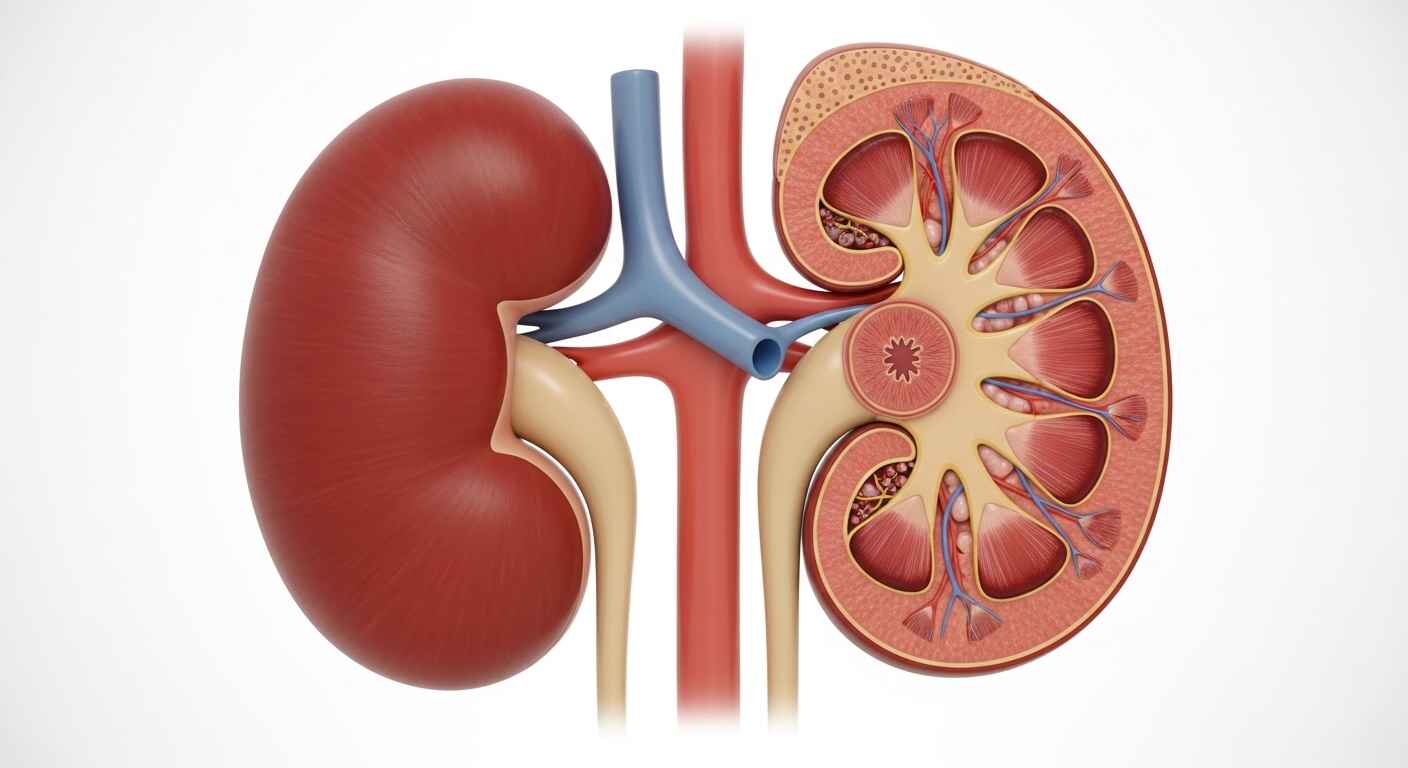
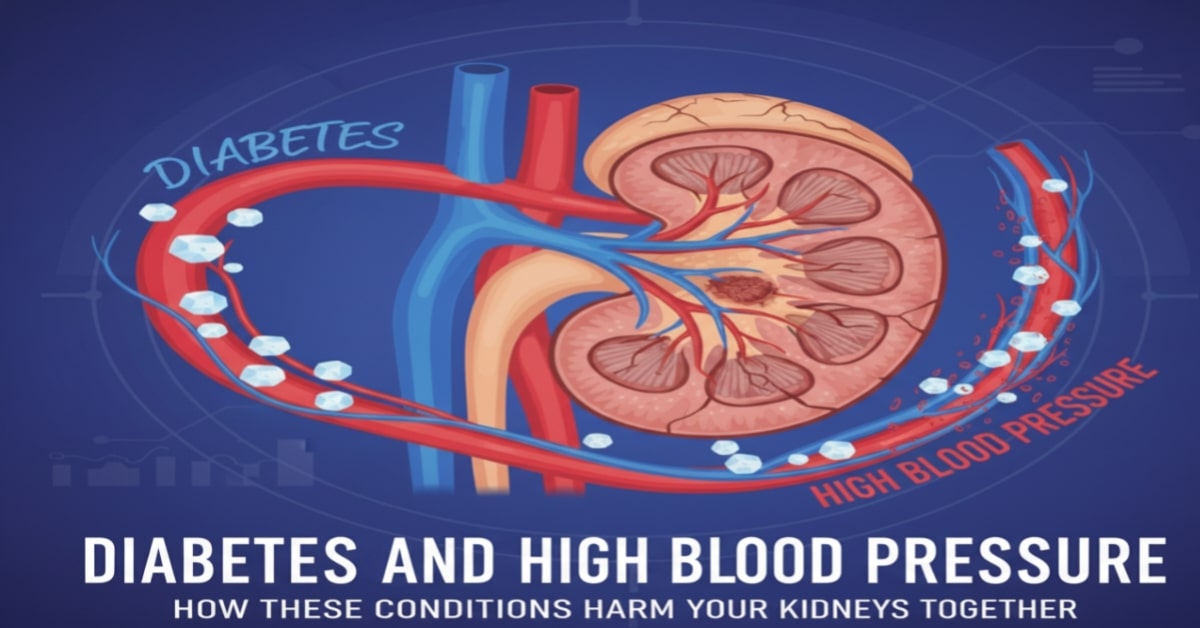
* **Individuals with Kidney Disease:** Magnesium is excreted by the kidneys. Those with severe or chronic kidney disease may struggle to eliminate excess magnesium, leading to dangerous accumulation. This can cause symptoms like nausea, low blood pressure, and in severe cases, confusion or irregular heartbeats.
* **Individuals with Heart Conditions:** The combination of warm water and magnesium may affect heart rate and blood pressure. Individuals with heart disease should consult a cardiologist before taking Epsom salt baths.
* **Individuals with Open Wounds, Severe Burns, or Skin Infections:** Applying Epsom salts to damaged or infected skin can cause irritation, stinging, delay healing, and potentially introduce bacteria, worsening the condition.
* **Individuals with Sensitive Skin, Eczema, or Psoriasis:** While some anecdotal reports suggest Epsom salt baths may soothe these conditions due to magnesium’s anti-inflammatory properties, others caution that the salt can dry out or irritate the skin, especially if not rinsed off properly afterwards.
**Other Potential Risks:**
* **Overuse:** Frequent oral consumption of Epsom salts (used as a laxative) can lead to digestive discomfort, diarrhoea, and cramps. While not typically ingested in bath form, this highlights the potential for magnesium overload.
* **Dehydration:** Prolonged soaking in hot water can lead to dehydration. It’s recommended to drink water before and after the bath.
* **Delayed Medical Care:** Relying solely on Epsom salt baths for serious conditions could delay seeking necessary medical treatment, leading to worse outcomes.
* **Financial Cost:** While Epsom salts are relatively inexpensive, the trend can sometimes be associated with purchasing high-end bath additives, essential oils, or specialized bathing equipment, which can add up.
## Expert Testimony: What Do Researchers & Clinicians Say?
Healthcare professionals and researchers offer a mixed perspective on the Epsom salt bath trend, generally acknowledging its potential for relaxation while urging caution regarding definitive health claims.
Dr. Alexis Federman, a primary care physician, states that while Epsom salt baths are popular and may offer benefits, “not much scientific research has been done to understand health benefits of an Epsom salt soak.” She advises taking promises of health benefits with a “grain of salt”. However, she also notes that “Magnesium is known to play a role in nerve and muscle function,” making it plausible that Epsom salt baths *might* help ease pain and soothe sore muscles.
Integrative medicine specialists commonly recommend Epsom salt for muscle pain and stress, despite the lack of definitive studies on transdermal magnesium absorption. Sports medicine specialists and athletic trainers acknowledge the role of magnesium in muscle function and recovery, suggesting that athletes may benefit, especially if they have a magnesium deficiency. However, they often point out that the benefits may be largely attributable to the warm water soak itself. Dr. Dennis A. Cardone, a sports medicine specialist, suggests, “The benefits of an Epsom salt bath appear to be wholly related to the soaking in warm water”.
Dermatologists acknowledge that while some individuals with skin conditions like eczema or psoriasis report relief, the salt can also cause irritation or dryness, advising consultation with a doctor for pre-existing skin issues.
## The Future of Folk Medicine: Revival or Red Flag?
The resurgence of Epsom salt baths reflects a broader trend in wellness towards seeking natural, accessible, and “ancestral” remedies. As people increasingly look for ways to manage stress, improve recovery, and engage in self-care, traditional practices like Epsom salt soaks gain traction, especially when amplified by social media.
This trend aligns with the growing interest in “slow living” and “intentional living,” where the ritual of a bath becomes a form of mindful self-care. It also ties into the broader interest in nervous system regulation and holistic well-being, with many viewing the bath as a way to unwind and de-stress.
However, the sustainability of this trend as an evidence-based practice remains uncertain. While it’s unlikely to disappear entirely due to its long history and accessibility, its elevation to a primary therapeutic intervention without robust scientific backing is a cause for caution. The future may see it integrated more as a complementary therapy for relaxation and mild muscle discomfort, rather than a standalone treatment for significant health issues. It will likely fade in and out of the spotlight as new viral home remedies emerge, driven by the fast-paced cycle of social media trends.
## Evidence-Based Verdict: Adopt, Adapt, or Abandon?
Based on the available evidence, the Epsom salt bath trend can be categorized as: **Adapt**.
* **Adopt for Relaxation and Mild Discomfort:** The consistent benefit of a warm bath is undeniable for relaxation, stress reduction, and potentially easing mild muscle aches and stiffness. If an Epsom salt bath enhances this experience for you, it is a safe and accessible way to achieve these benefits.
* **Adapt with Caution for Specific Health Claims:** While magnesium plays a vital role in the body, the scientific evidence for significant absorption through the skin via Epsom salt baths and its subsequent therapeutic impact is still developing and not conclusive. Claims of detoxification, significant anti-inflammatory effects, or profound recovery benefits for athletes should be approached with skepticism.
* **Abandon the Idea of a Panacea:** Do not rely on Epsom salt baths as a primary treatment for serious medical conditions or significant pain. Always consult with healthcare professionals for diagnoses and evidence-based treatments.
* **Consider Individual Suitability:** Be mindful of contraindications, especially if you have kidney or heart issues, open wounds, or certain skin conditions. Always follow recommended usage guidelines.
In conclusion, the Epsom salt bath is a time-honored ritual that offers a comforting and potentially beneficial experience, primarily through the power of warm water immersion. While its viral status in early 2026 highlights a desire for natural wellness solutions, users should temper expectations regarding the direct therapeutic effects of the magnesium and sulfate absorption. It’s a pleasant way to unwind and soothe minor aches, but it is not a substitute for evidence-based medical care. For many, the ritual itself, combined with the soothing warmth of the water, is the most significant benefit.
Science Health Tips Insight: Feb 19, 2026 is a related article that might offer further context on navigating health trends. Visit Our Healtho for more comprehensive health insights.