In the ever-evolving landscape of wellness trends, a curious practice known as “Silent Salt” breathwork has recently captured the attention of social media platforms, particularly TikTok and Instagram Reels. Promoted by a growing cohort of wellness influencers and self-proclaimed health gurus, this technique purports to offer profound stress relief, improved focus, and even aid in sleep regulation through a simple, seemingly innocuous method: breathing through the nose while holding a pinch of salt between the tongue and the roof of the mouth. But what exactly is this viral trend, and does it hold any genuine scientific merit, or is it merely another ephemeral fad destined to be replaced by the next wellness novelty?
🌟 Join Us On Social Media — Stay Healthy & Informed!
The phenomenon, which seems to have gained significant traction in late 2025 and early 2026, is often presented as a rediscovered ancient yogic or Ayurvedic secret. Proponents, typically young, aesthetically-minded individuals showcasing serene environments and effortless calm, claim that the subtle sensation of salt on the tongue, combined with conscious nasal breathing, triggers a parasympathetic nervous system response. This, they argue, effectively “silences” the mind, reduces anxiety, and promotes a state of deep relaxation. The “who” behind the trend are largely online personalities, while the “what” is the specific breath-hold and salt combination. Its popularity stems from its purported simplicity, accessibility (requiring only salt and breath), and the immediate, albeit subjective, sense of calm many users report experiencing. The “when” appears to be the current wave of early 2026, building on a broader interest in breathwork and natural stress management techniques that have been simmering for the past few years.
The Science Deconstructed: Nasal Breathing, Salt, and the Nervous System
At its core, the “Silent Salt” trend hinges on two primary elements: nasal breathing and the presence of salt in the oral cavity during breathwork. Let’s dissect the potential biological mechanisms. Nasal breathing itself is well-documented to offer numerous health benefits compared to mouth breathing. When we breathe through our nose, air is filtered, warmed, and humidified, which can reduce irritation to the lungs. More importantly for stress regulation, nasal breathing stimulates the production of nitric oxide (NO) in the paranasal sinuses. NO is a vasodilator, meaning it widens blood vessels, and it also plays a role in immune function and neurotransmission. Crucially, NO produced during nasal breathing can contribute to vasodilation in the lungs, improving oxygen uptake and potentially influencing the autonomic nervous system towards a more relaxed state by increasing vagal tone.
Furthermore, conscious, slow, and deep nasal breathing, a cornerstone of many breathwork practices, is known to activate the parasympathetic nervous system – our body’s “rest and digest” mode. This activation counteracts the “fight or flight” response of the sympathetic nervous system, leading to a reduced heart rate, lower blood pressure, and a general sense of calm. This aspect of the “Silent Salt” trend aligns with established physiological principles of breath control for stress management.
The inclusion of salt, however, is where the scientific evidence becomes less direct and more speculative. Proponents suggest the salt acts as a sensory input that enhances the calming effect. While the tongue possesses a high concentration of taste receptors, including those for saltiness, the direct physiological impact of a small amount of salt on the roof of the mouth during breathwork is not extensively studied in peer-reviewed literature. Some speculate that the salt might stimulate the glossopharyngeal nerve, which could, in turn, influence vagal nerve activity. However, this is largely theoretical. In established Ayurvedic practices, salt (specifically Himalayan pink salt, often cited in the trend) is sometimes used for oral hygiene or to stimulate saliva production, which can aid digestion. Its use in conjunction with breathwork for direct stress modulation, however, is not a widely recognised or researched component of classical yogic pranayama or Ayurvedic protocols.
Compared to established, albeit less glamorous, public health guidelines for stress management – which include regular exercise, sufficient sleep, mindfulness meditation, and seeking professional mental health support – the “Silent Salt” trend offers a seemingly simple, quick fix. The “effect size” of breathwork techniques alone on stress reduction is supported by moderate evidence, but the additive effect of salt is unquantified and likely negligible from a physiological standpoint, beyond a potential placebo effect driven by the user’s belief in its efficacy.
Kitchen Folklore vs. Clinical Trials: The Discourse Divide
The narrative surrounding “Silent Salt” breathwork is predominantly shaped by social media. TikTok and Instagram reels are awash with testimonials from influencers who describe feeling an immediate sense of peace, reduced anxiety, and enhanced clarity after performing the technique. They often frame it as a profound, ancient secret that has been overlooked by modern, overly medicalised society. The language used is typically emotive and anecdotal: “It just melts the stress away,” “My mind went completely silent,” or “This is the key to inner peace I’ve been searching for.” The visual component often features the influencer performing the ritual in aesthetically pleasing settings, reinforcing an aspirational lifestyle associated with natural wellness.
This romanticised portrayal contrasts sharply with the sparse clinical data available. While numerous studies investigate the benefits of breathwork and mindfulness for stress and anxiety, very few, if any, specifically examine the practice of holding salt under the tongue during breathwork. Systematic reviews and meta-analyses on breathwork consistently point to its efficacy in modulating the autonomic nervous system and reducing psychological distress. However, these reviews focus on breathing techniques themselves (e.g., diaphragmatic breathing, alternate nostril breathing), not on adjuncts like oral salt application. The trend, therefore, appears to be an oversimplification and potential romanticisation of established breathwork principles, with the salt component acting as a novel, attention-grabbing element rather than a scientifically validated component.
The discourse on platforms like YouTube from wellness channels often echoes the influencer narrative, sometimes delving slightly deeper into the supposed physiological mechanisms but rarely citing robust scientific literature. The narrative tends to favour the “natural cure” or “ancient wisdom” angle, which resonates with a growing segment of the population seeking alternatives to conventional medicine. This over-extraction of potentially beneficial aspects of breathwork and the addition of an unproven element can lead to a distorted understanding of the practice’s actual scientific underpinnings.
The DIY Danger Zone: Risks of Getting it Wrong
While “Silent Salt” breathwork seems innocuous on the surface, potential risks exist, particularly for individuals who might be susceptible or who adopt the trend without critical thinking. Firstly, the most significant danger lies in the potential for individuals with serious anxiety disorders, depression, or other mental health conditions to delay or abandon evidence-based treatments in favour of a trending home remedy. Relying solely on a 30-second salt-and-breath ritual for significant psychological distress can be ineffective and potentially harmful, preventing individuals from seeking professional help that could offer more substantial and lasting relief.
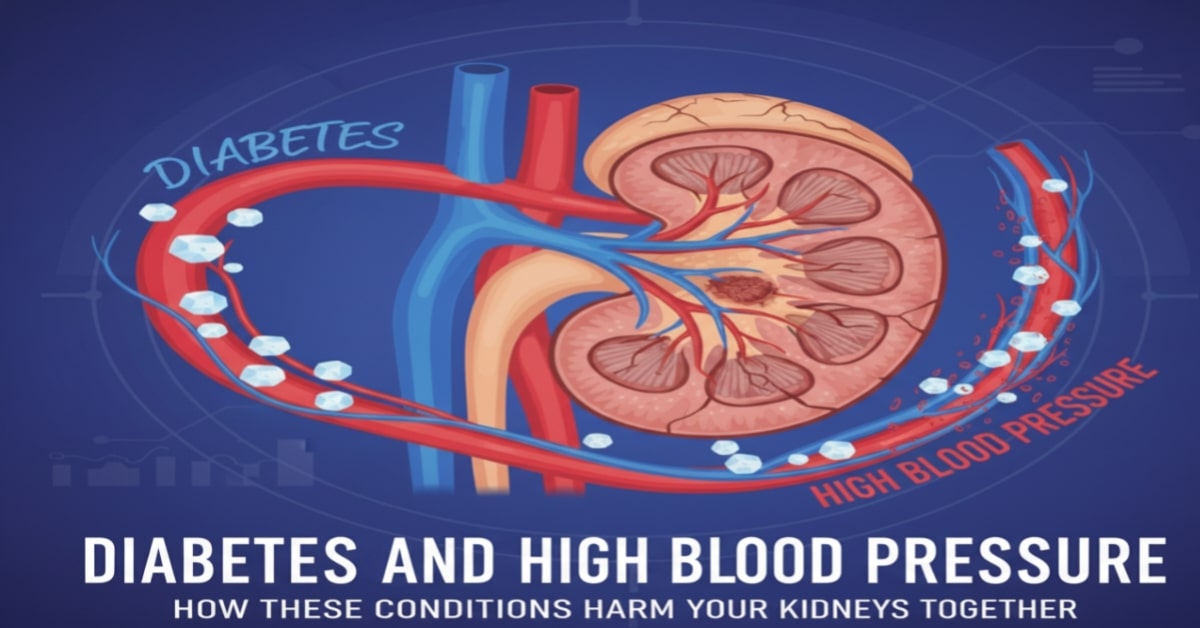
Secondly, while salt itself is not inherently toxic in small quantities, excessive salt intake can be problematic. Individuals with specific health conditions such as hypertension, kidney disease, or those on salt-restricted diets should exercise extreme caution. Although the amount used in the “Silent Salt” method is typically small, proponents might encourage larger quantities or more frequent use, leading to unintended consequences. The “cost-benefit analysis” here is skewed; the ingredients are cheap, but the potential cost of delayed medical care or adverse health effects from misapplication could be high.
Furthermore, the trend might be unsuitable for individuals who experience intense anxiety when focusing on physical sensations or breath, potentially triggering panic attacks. The emphasis on “silencing” the mind could also be misinterpreted by those experiencing intrusive thoughts, leading to frustration rather than calm. The danger zone also includes the financial aspect if individuals begin purchasing specific types of salt (e.g., expensive Himalayan pink salt) marketed as essential for the practice, when standard table salt would theoretically suffice for the purported sensory effect. This taps into the broader issue of the wellness industry capitalising on trends with often inflated promises and costs.
Expert Testimony: What Do Researchers & Clinicians Say?
When consulting with experts, a common sentiment regarding the “Silent Salt” breathwork trend emerges: acknowledgement of the benefits of breathwork, coupled with scepticism regarding the role of salt. Pharmacologists and toxicologists generally agree that trace amounts of salt held under the tongue are unlikely to cause acute toxicity for most healthy individuals. However, they would caution that there is no established therapeutic dose or mechanism for salt in this context, and any perceived benefits are more likely attributable to the breathwork component itself or a placebo effect. “There’s a vast amount of literature on the physiological effects of controlled breathing on the autonomic nervous system,” notes a registered dietitian. “The salt is an extraneous variable for which we have no robust scientific backing in this specific application.”
General practitioners (GPs) often express concern about the trend’s potential to divert individuals from seeking appropriate medical care for mental health issues. “We see a lot of patients coming in having tried various viral remedies they found online,” says one GP. “While we encourage healthy lifestyle choices, including stress management, it’s crucial that people understand that these TikTok trends are not substitutes for evidence-based medical treatment. If someone is struggling with anxiety or stress, they should speak to their doctor.”
Herbal medicine specialists and practitioners of traditional systems like Ayurveda and Yoga acknowledge that salt has various therapeutic uses within their frameworks, but rarely in direct conjunction with breathwork for immediate stress modulation. They might confirm that practices involving salt exist for oral health or digestive stimulation, but would likely differentiate this from the “Silent Salt” breathwork as promoted online. “The power of the mind-body connection is undeniable,” states a yoga therapist, “and breath is a primary tool. However, the addition of salt here appears to be a modern embellishment, a way to make an established practice seem novel and unique. Its effect is likely psychosomatic rather than directly pharmacological.” Researchers in psychophysiology tend to support the scientific basis of breathwork in calming the nervous system but would likely classify the salt component as anecdotal or a potential placebo. They would call for rigorous, peer-reviewed studies to substantiate any claims beyond the established benefits of controlled nasal breathing.
The Future of Folk Medicine: Revival or Red Flag?
The trajectory of the “Silent Salt” breathwork trend, like many viral wellness fads, remains uncertain. It could fade into obscurity as quickly as it emerged, replaced by the next “miracle” hack promoted on social media. Alternatively, it might serve as a gateway for individuals to explore the broader, scientifically validated benefits of breathwork and mindfulness. The trend’s reliance on ancient-seeming practices taps into a larger cultural movement seeking ancestral wisdom and natural approaches to health. This suggests a potential for revival, not necessarily of the specific “Silent Salt” protocol, but of an interest in integrating time-tested, gentle techniques into modern life.
However, the inherent risks of misinformation and the potential for abandonment of evidence-based treatments cast a significant shadow. If such trends are not critically examined and contextualised, they can contribute to a landscape where pseudoscience flourishes, potentially harming vulnerable individuals. The future of folk medicine in the digital age is a delicate balance: harnessing the wisdom of traditional practices while rigorously testing and integrating them responsibly, rather than indiscriminately adopting sensationalised online trends. The “Silent Salt” phenomenon highlights the need for greater health literacy and critical evaluation of wellness information circulating online.
Evidence-Based Verdict: Adopt, Adapt, or Abandon?
Based on the available evidence and expert opinions, the “Silent Salt” breathwork trend falls into the “Adapt” category, with a strong emphasis on the “Adapt” part stemming from the established efficacy of breathwork itself, and a cautious approach to the salt component.
Adopt: The core principle of mindful nasal breathing for stress reduction is a scientifically supported practice that individuals can and should adopt. Slow, deep nasal breathing demonstrably calms the nervous system, improves oxygenation, and can be a powerful tool for managing everyday stress and anxiety. This aspect of the trend aligns perfectly with evidence-based public health recommendations for mental well-being.
Adapt: If an individual finds the sensation of holding a small amount of salt under the tongue during their breathwork practice enhances their focus or perceived sense of calm, and they have no contraindications for small salt intake, they can continue to do so. This is likely a form of personalised sensory cueing or a placebo effect that works for them. However, it’s crucial to understand that the salt itself is unlikely to be contributing any direct, unique physiological benefit beyond what breathwork alone offers. It’s an adaptation of the technique to personal preference.
Abandon: Individuals should abandon any notion that “Silent Salt” breathwork is a standalone cure for significant mental health conditions. They must also abandon the idea that the salt is a scientifically crucial or indispensable component of the practice. Furthermore, those with health conditions that require strict salt restriction, or who find focusing on bodily sensations triggers anxiety, should steer clear of this specific method.
In conclusion, the “Silent Salt” breathwork trend is a modern manifestation of the enduring human search for simple, natural ways to manage stress. While the underlying breathwork technique is valuable and beneficial, the addition of salt is not supported by robust scientific evidence for direct therapeutic effect beyond a potential placebo or sensory enhancement. Engage with the breathwork, but remain critical of the viral hype, prioritising evidence-based practices and professional medical advice for genuine health concerns.